DND with Minis vs. Theater-of-the-Mind

Playing D&D is great fun, and I have been adventuring with my friends for many years. We have always played the game around the table with just our character sheet, notes and dice. The DM might have a hand drawn map, but for the most part all encounters are just described in what is called the Theater-of-the-Mind style of play.

TotM can lead to confusion. “Wait, how many goblins are left?”, or “I said I was hiding behind the pillar!”, or the classic: “I didn’t ask you how big the room is–I cast Fireball!” Many of the rules in D&D are very tactical in nature. Players are aware how many feet they can move per turn, their weapon ranges, what the bonuses are for 1/2 or 3/4 cover, and are constantly peppering the DM with questions to clarify the described situation. Miniatures solve many of these issues.

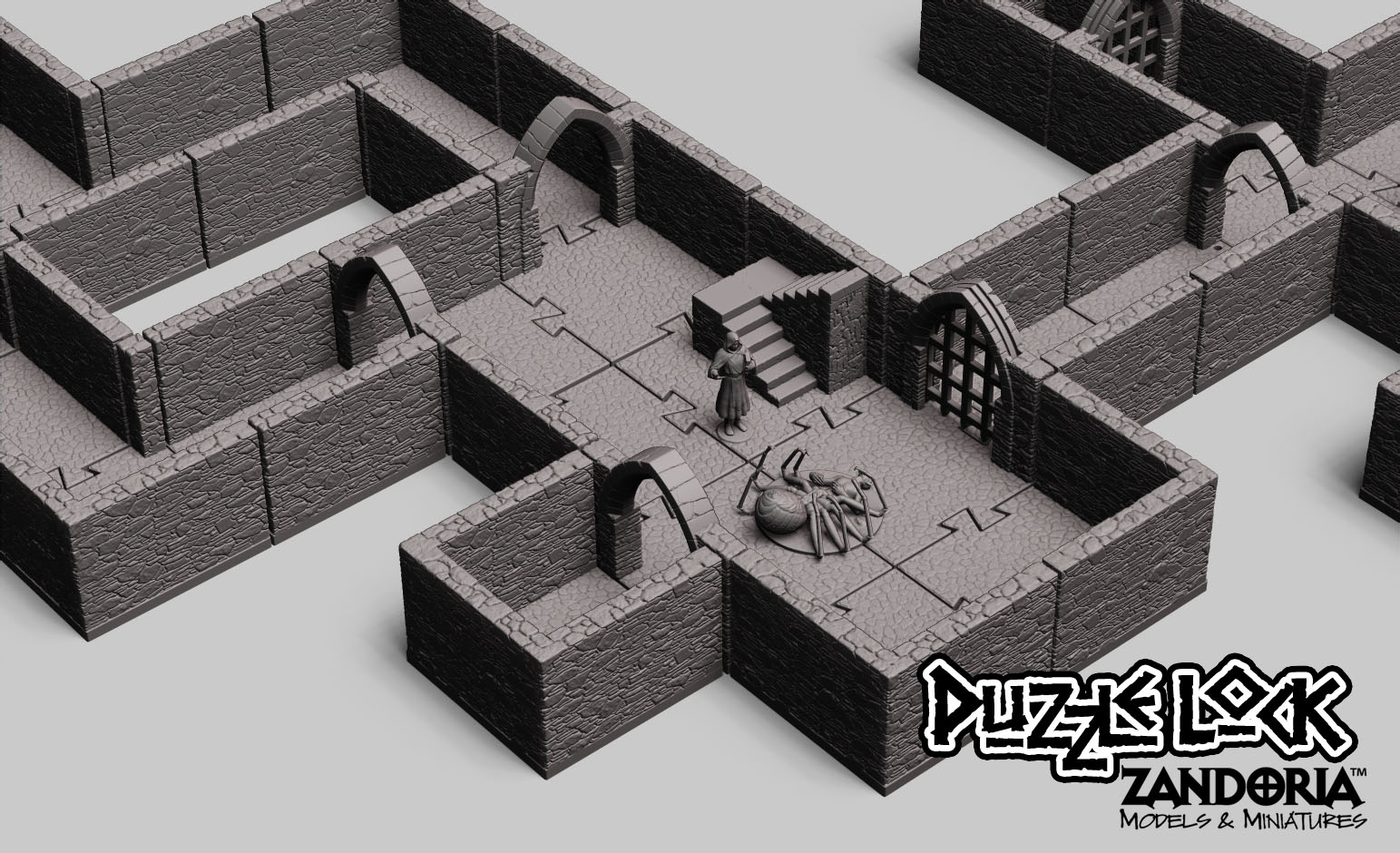
With terrain and miniatures, it is very easy to see who is in the area of effect when the Fireball spell goes off. Miniatures provide clarity vs. chaos, save time and avoid unnecessary arguments.

Theater-of-the-mind may be great for most D&D encounters, and some players think that playing with minis will make the game feel too much like a boardgame. This is a valid. If the Dungeon Master gives a great description of the boss encounter, it can really come to life in the players imagination. However, what gets imagined is going to be slightly different for each player….

This party of gnome adventures is exploring the room, when behind them they hear the scrape of stone on stone…

The Dungeon Master says, “You turn and see a large mountain troll, with a stone axe”. As a player you may wonder what a mountain troll looks like, or how big it is relative to you; whether you should start running or draw your sword.

The DM says, “roll initiative” ominously, as he places the mountain troll mini onto the table. The players eyes go wide. They see it’s size. The immediate, visceral understanding of the threat is an “oh $#!%” moment.

Don’t just describe the threat. Make them feel it…

The moment you place that troll on the table, the game’s tension skyrockets. It is no longer an abstract concept; it’s a physical problem they need to solve. Miniatures are not mere game pieces, but are tools for creating sharper, more dramatic, and more memorable stories at your table.

These are all miniatures and terrain that I have sculpted, and are available in my shop
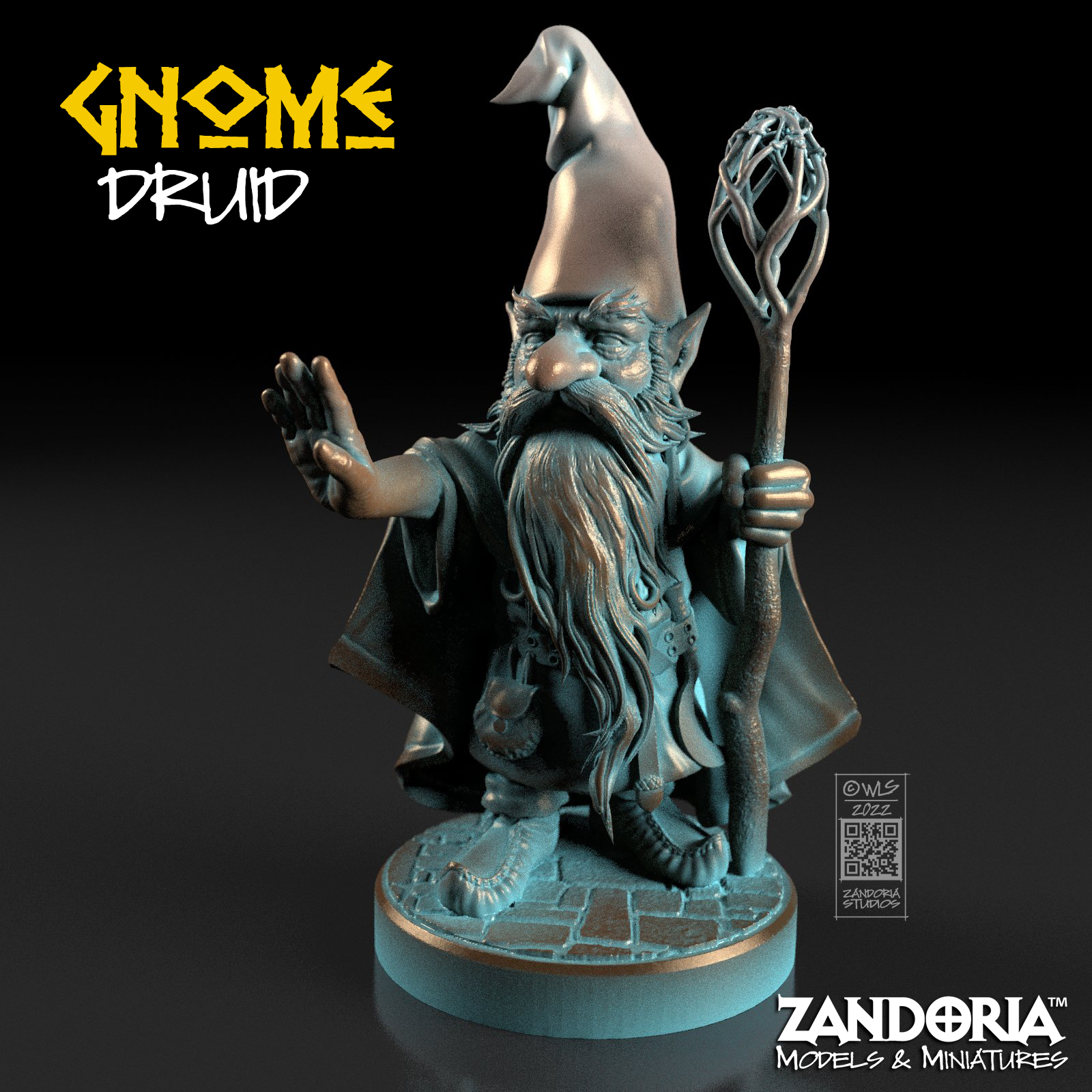
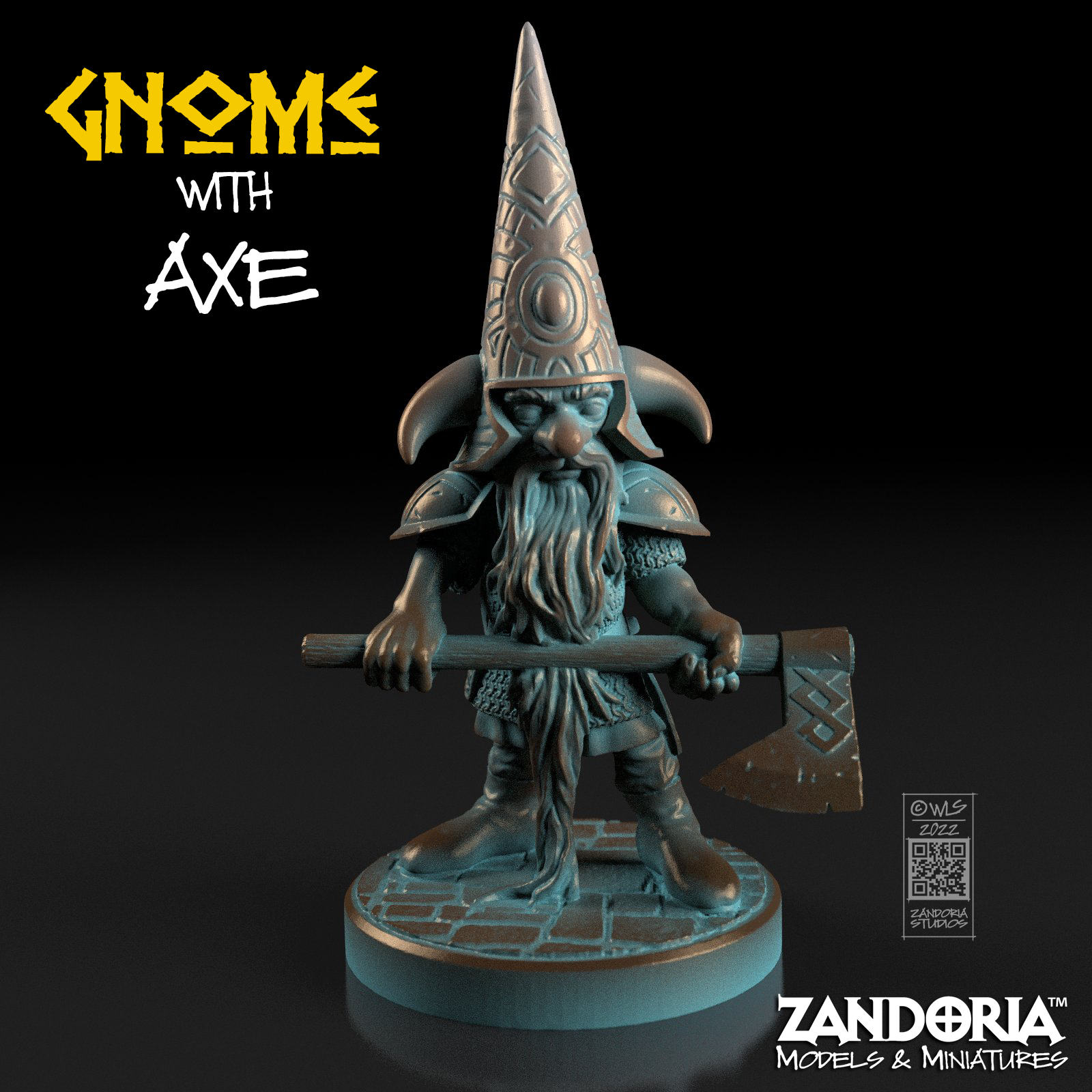
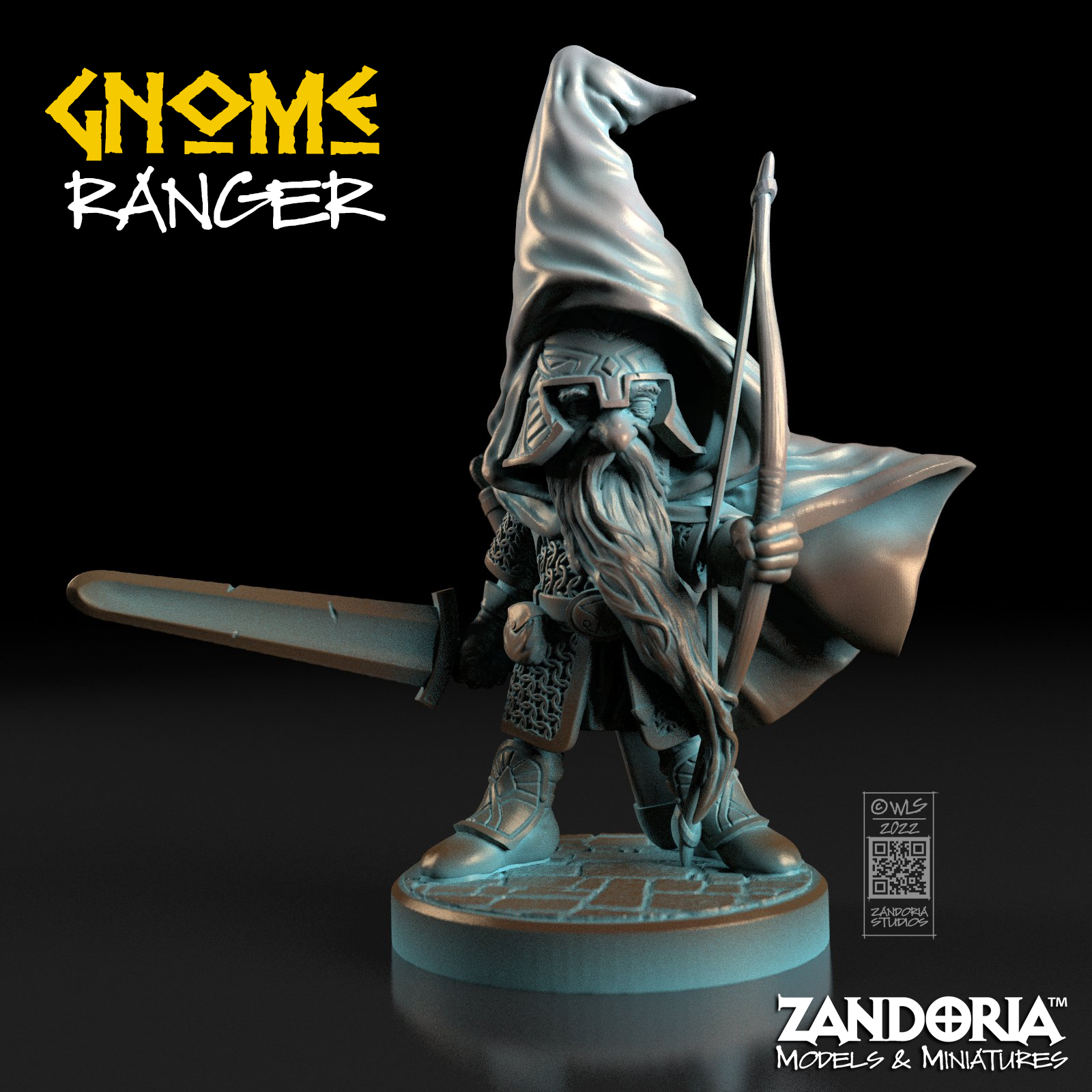
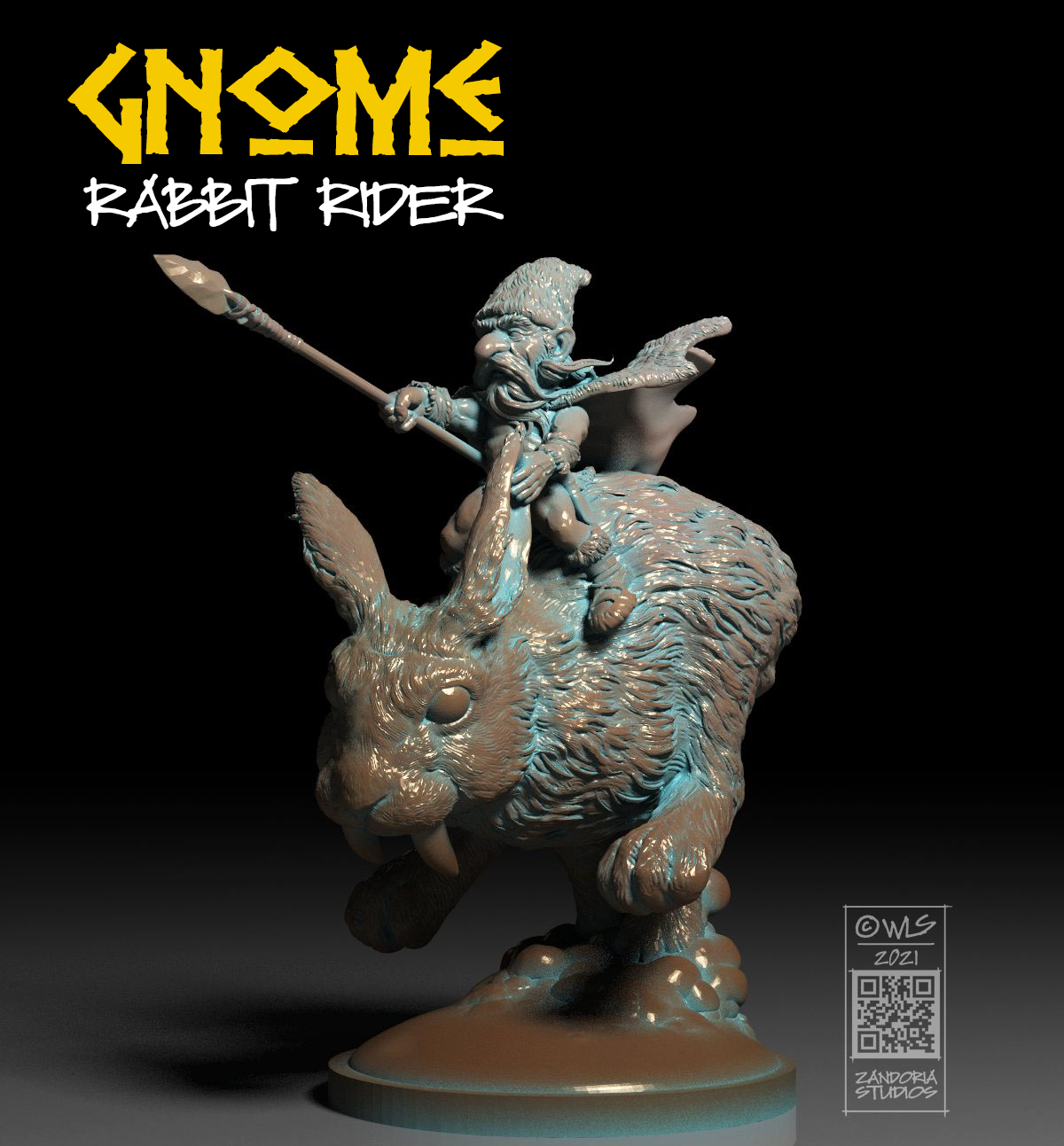
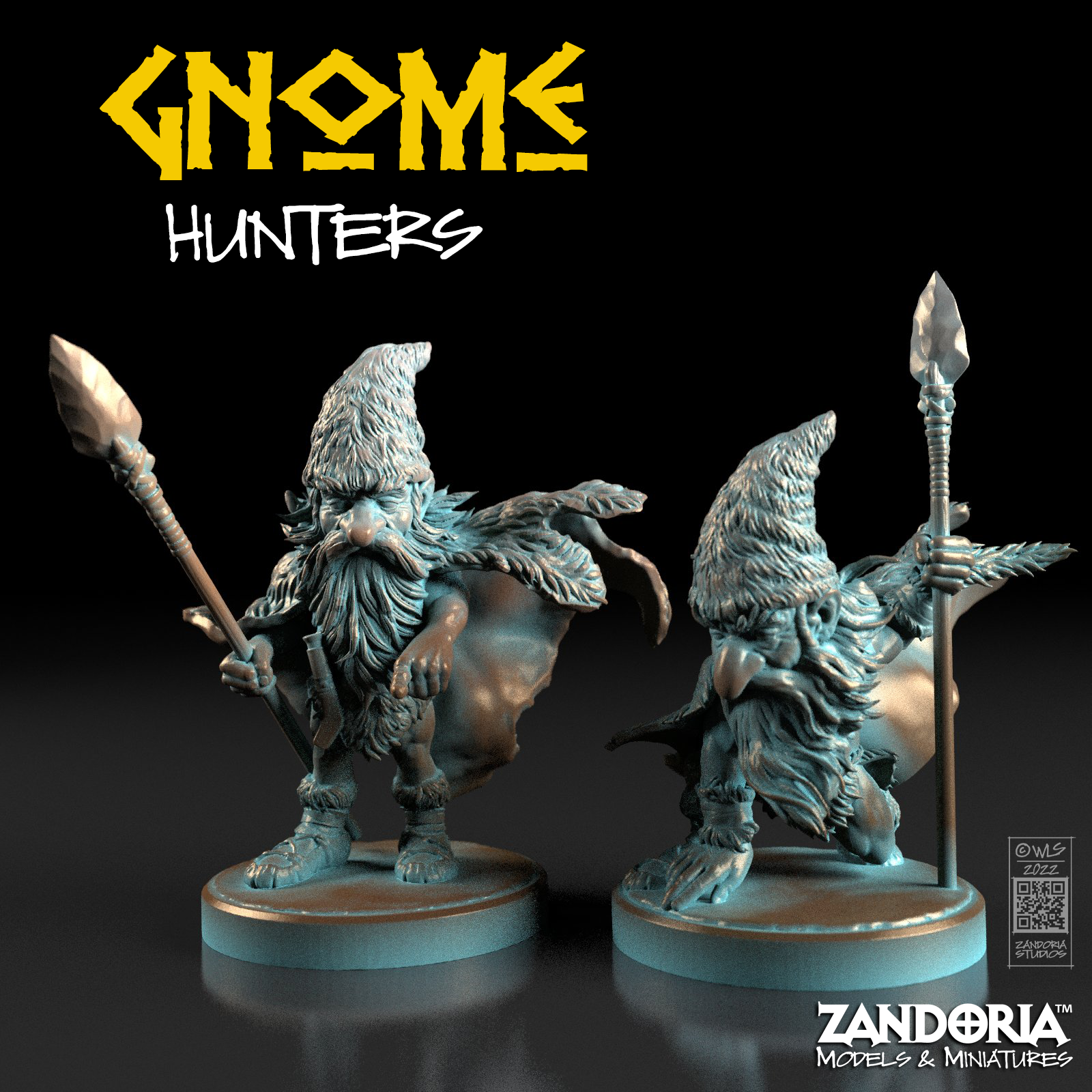
Gnomes and Gonks as D&D Characters

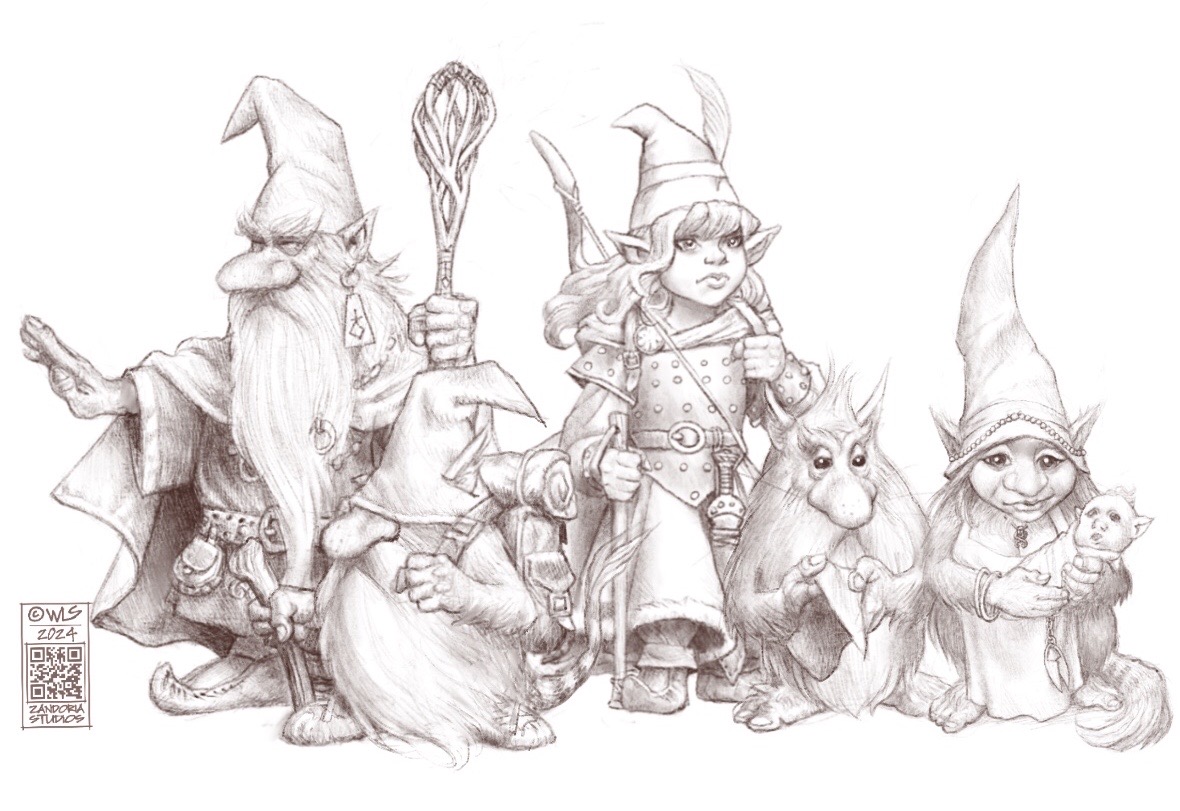
A Gnome is a mythological creature: A small, ageless dwarf in European folklore who lives underground and guards treasure. The 16th-century Swiss alchemist Paracelsus popularized the term, describing gnomes as able to move through solid earth like fish in water. They are known as Nisse or Tomte in Scandinavian folklore, where their long beards and pointed caps originates. They were also guardians of the home and farm, and popularized as Garden Gnomes in the 18th century. The modern style of “Gonk” Gnome, used as a home decoration, is essentially all beard with only a nose and large cap–They may get their name from a novelty toy from the 1960’s called a Gonk.

As Fantasy characters in Dungeons & Dragons and other TTRPGs, Gnomes are very popular. They are of small size, generally around 2′ tall. They are surprisingly strong for their size, at least as strong as a full-grown man! Because of their connection to nature, gnomes are often Druids or Rangers, but may be any Class.

A Gonk is a subspecies of Gnome. They are a little shorter in proportion, and covered in fur. Gonks are are a more feral wild version of their taller kin, and live underground in burrows. They have a natural ability to shape-shift, which leads to some remnant animal traits in their appearance. Some Gonks even have tails!

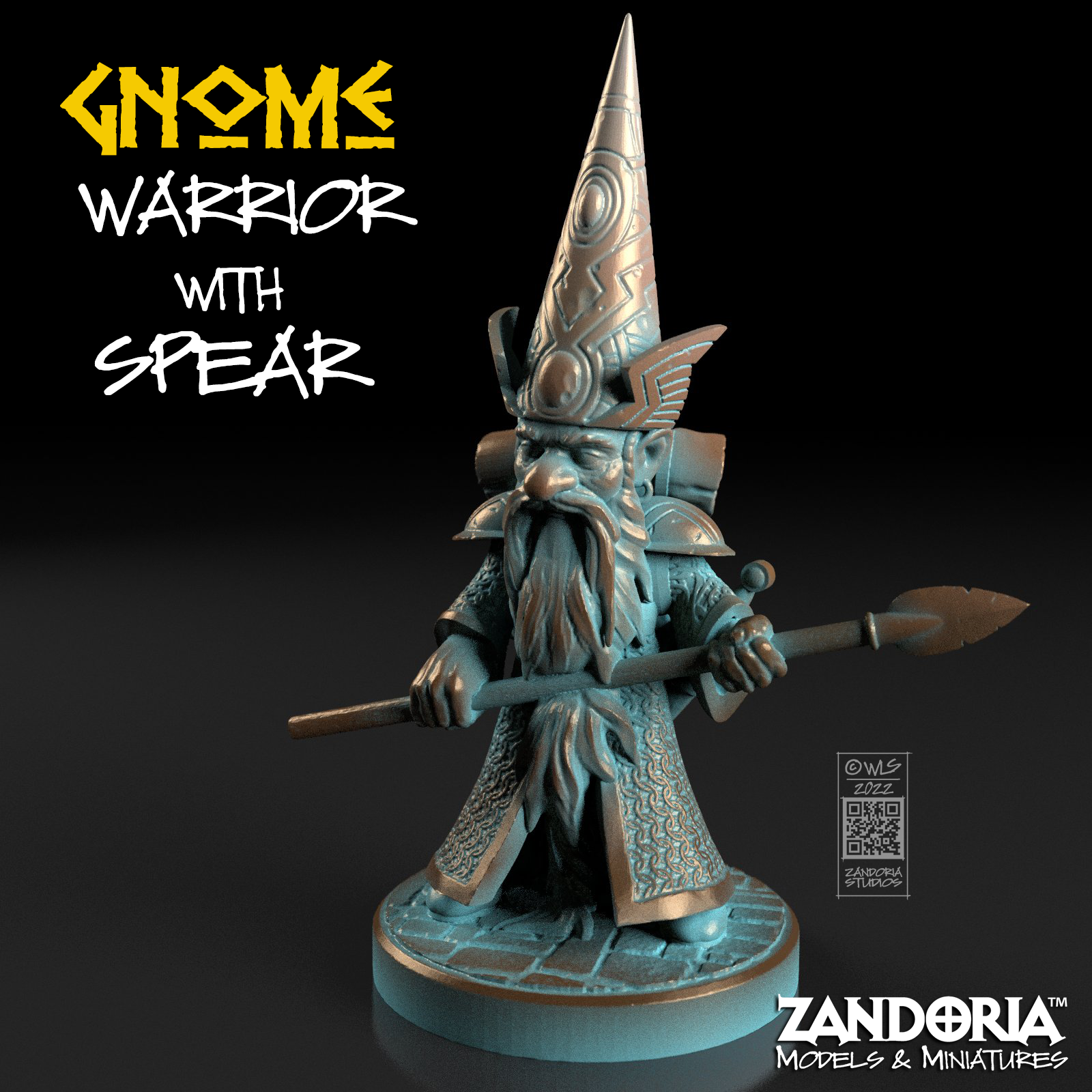
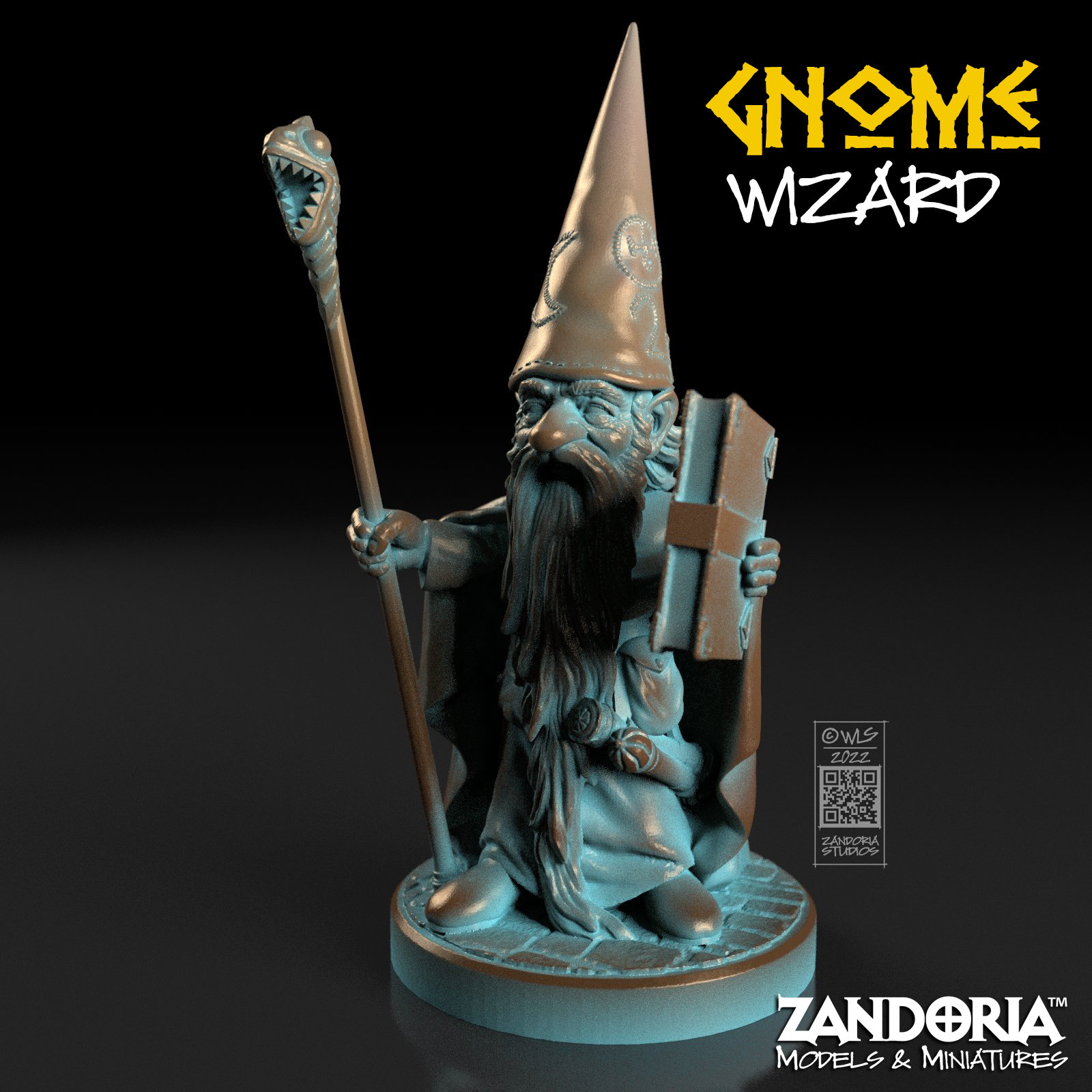
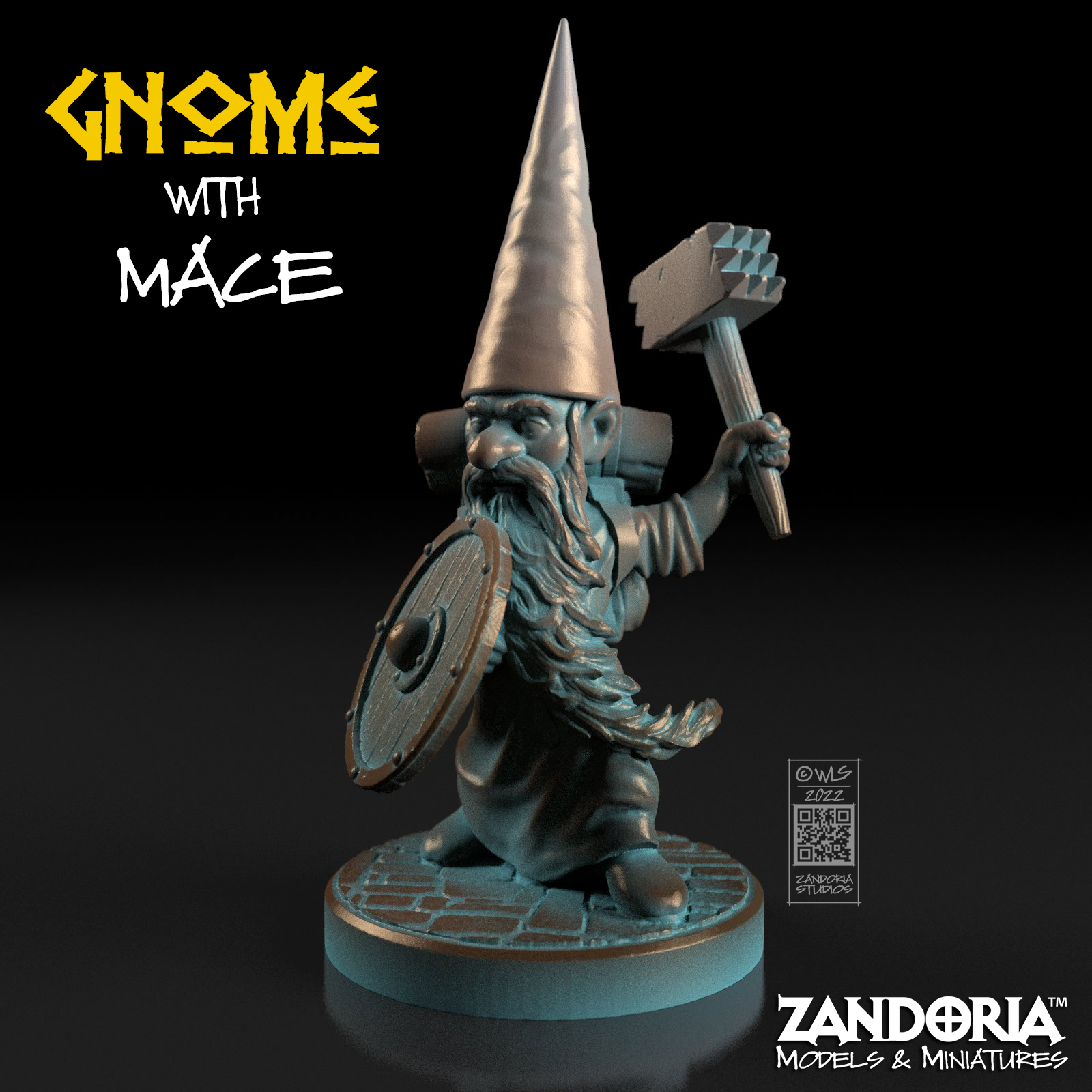
Gnomes wear tall cone-shaped felt caps, and take great pride in them. You can tell a lot about a gnome and his social status by the height of his cap. Caps are often embroidered and ornamented as well. Gnome warriors wear tall pointed helmets, which can also act as dangerous spikes to deter the big stompy feet of Trolls. Gonks also wear caps, and usually wear them pulled down to their nose to protect their sensitive eyes.

Miniatures now available directly on Etsy!

If you have been wishing you could use one of my Gnome miniatures for your next character or campaign, but do not have a 3Dprinter, now you can buy physical miniatures directly from me! I have added a Miniature section to my Etsy shop. These miniatures are printed by me in a durable ABS like resin. They are 28mm scale (1:56) for tabletop games like D&D or Pathfinder.

These are just the first available– I will be adding more as I have a chance to print and paint. Make your next character a Gnome!

PuzzleLock Sewers & Undercity

Large RPG Cities, just like Rome or Paris, have sewer systems for the primary purpose of drainage–to keep their streets from flooding. The sewers channel storm water away from the city.

Whether your RPG campaign is set in Balder’s Gate, Calimport or Waterdeep in the Forgotten Realms; Beneath the sprawling streets of Ravnica, or in the underground canals of Sigil in the outer planes, your adventures are likely to take you into the Sewers and Undercity….

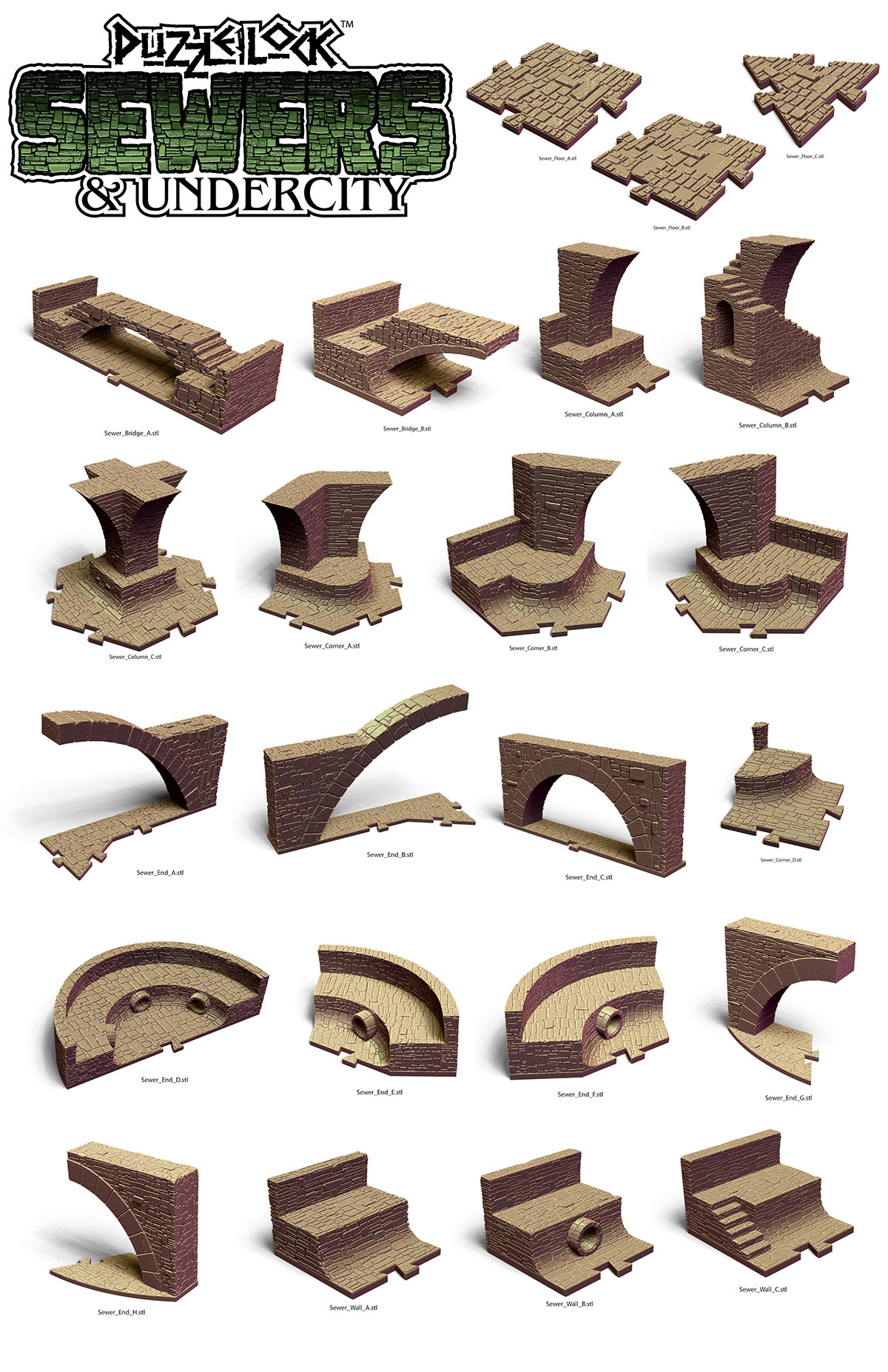
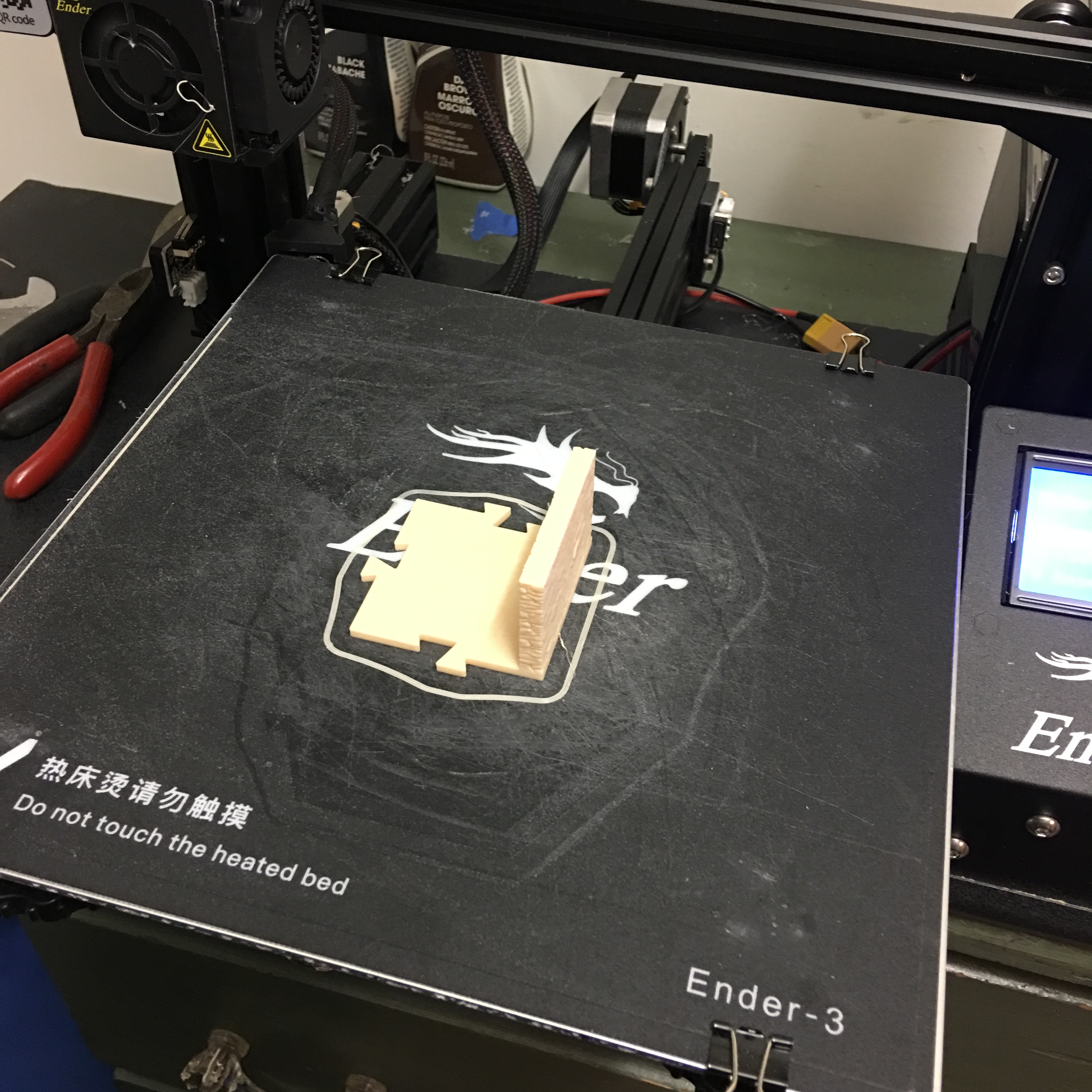
PuzzleLock Sewers and Undercity is a 3d printable terrain for 28mm tabletop RPGs. The tiles connect like a jigsaw puzzle–there is no need for clips or magnets, and the tiles require no supports for printing.

There are 23 .stl files in the set, each one exquisitely detailed to create an immersive environment. The modular design will allow you to create an endless labrinth of Sewers and Undercity.

Only $19.95
on Cults3D

No supports required!
Tiles connect like a jigsaw puzzle!
Create an immersive environment for your campaign
check out the video!

copyright ©2019 William Sutton.
For personal 3D printer use only. Files may not be shared, remixed, or redistributed.
May not be reproduced by other means such as molding and casting without written license. All rights reserved.

PuzzleLock Playsets

IMG_4738

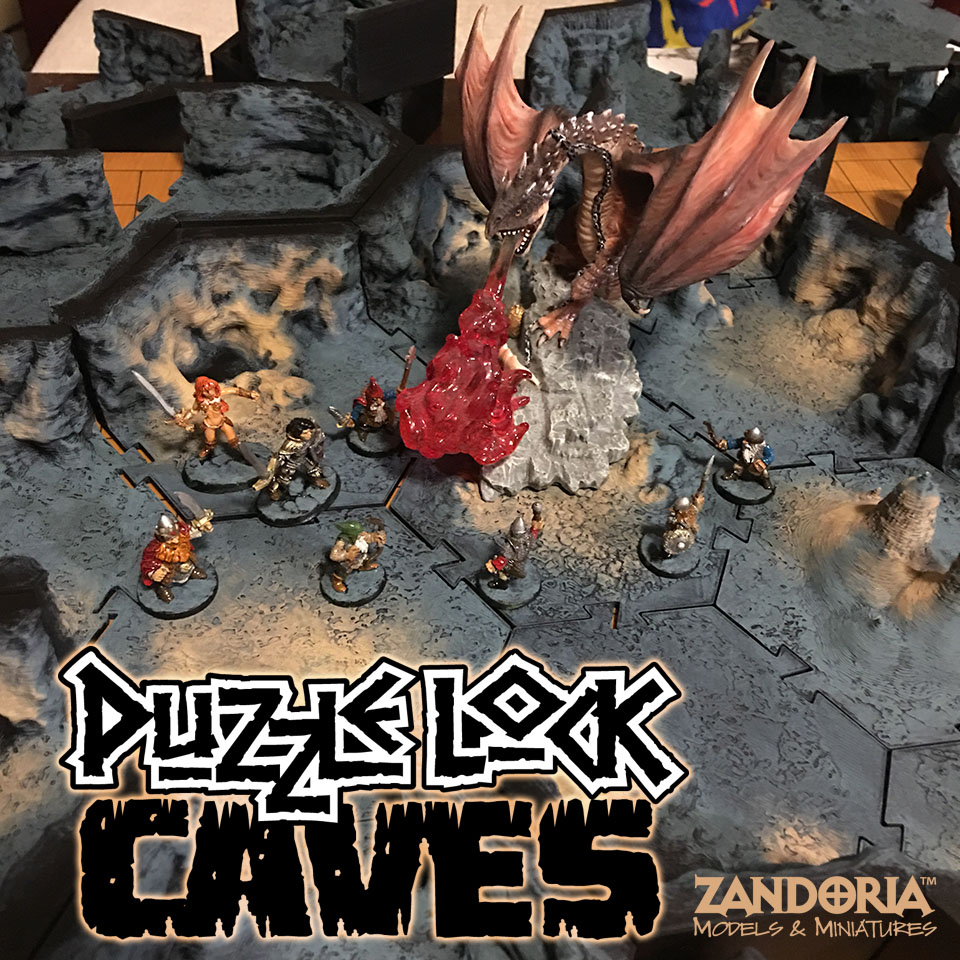
In February, I debuted the PuzzleLock Caves and PuzzleLock Dungeon at Con Nooga in Chattanooga. The response was very good, so tomorrow we are launching a Kickstarter to fund the creation of more PuzzleLock playsets!

These playsets are 28mm scale terrain for tabletop role-playing games like Dungeons & Dragons. They help create an immersive gaming experience. They are printed on a $200 home 3D printer, and I printed the entire dungeon on a $20 roll of filament!

Unlike other systems, PuzzleLock doesn’t require any clips or magnets. It goes together like a jigsaw puzzle!

Caves_promo2
Untitled-2
Untitled-5

The Caves are 100mm point to point and about 35mm tall. The sides of the hexagons are 50.8mm (2″) and can connect to any other PuzzleLock playset.

The PuzzleLock Caves are available NOW at Cults3D:
https://cults3d.com/en/3d-model/game/puzzlelock-caves

Dungeon_promo2
Untitled-3
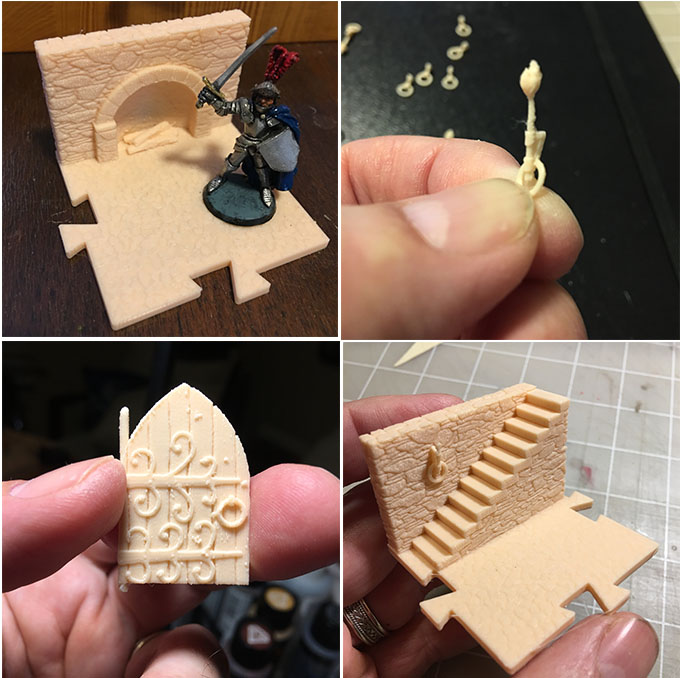
The Dungeon set includes a “stair jack” for placing minis on the steps, and also a couple of “grid-painting” jigs for gamers who prefer a 1″ grid on their tiles.
Untitled-4
Untitled-6

The dungeon tiles are 50.8mm ( 2″) square, and about 35mm tall. They work with all other PuzzleLock Tiles.

Dungeons are available NOW
on Cults3D:
https://cults3d.com/en/3d-model/game/puzzlelock-dungeon

All of the PuzzleLock playsets are delivered as .STL files, which are 3D models that can be printed on a home 3D Printer.

IMG_4469

The Kickstarter was 857% funded! Stretchgoals for Traps & Secret Doors and Sewers & Undercity were unlocked and will be available on Cults3D after they are sent to backers.

Puzzle-Lock

After working on my Caves project, I started thinking about all of the different “locking” options that are being used to connect the terrain tiles on the tabletop. I had an idea of interlocking the tiles with a jigsaw puzzle connection, which would be identical on every side. That would allow you to lift a tile from the table and replace it with a “trap” tile or “secret door” tile without disturbing the rest of the dungeon!

Puzzlelock_WIP_01

I started with a standard 2″ tile (50.8mm), and started working out the geometry for different polygons: 4-sided, 6-sided, 3-sided, etc. to allow the most flexibility for laying out a dungeon…

Regarding scale, I wanted  the walls shorter than the standard 2″ height, because terrain blocking line of sight for the miniatures was one of the complaints that I read in the Facebook group (3D Printing for Gaming Terrain).  I decided to design the walls about 32mm tall, which would be about 8′ tall at 28mm scale. This should leave enough height to detail the terrain, but give greater visibility to the miniatures.

Another thing that I noticed when I looked at other terrain systems, was that the details and the “dungeon dressing” of many props was not at a consistent scale. For 28mm miniatures, the scale is supposedly 6′ from the soles of the feet to the top of the head (for a human sized miniature). That scale (1:56) is 4.17mm per scale foot.

Puzzlelock_WIP_07

Using this as a guide for my measurements, I hope that this terrain will look better with the 28mm miniatures that players are using for D&D, Pathfinder or similar RPG.

Puzzlelock_WIP_02

The Caves system that I already designed, also works well with a puzzle-lock. And since the hexagon is designed with 2″ sides, the caverns will easily work with the dungeon tiles.

Puzzlelock_WIP_04

The puzzle-lock system should work with any type of tabletop terrain tile, such as sewers, burrows, etc.  My plan is to finish up my own set of puzzle-lock .STL terrain files, and then launch a Kickstarter campaign to sell it.  Part of the set will be the basic puzzle-lock shapes, which can be used to adapt existing terrain .STL files to this system using Meshmixer! So if you have already purchased .STL terrain for your game, you will be able to modify it.

I would also like to make the shapes available to other designers, so that they can offer a puzzle-lock version of their 3D printable terrain.

PuzzleLock Caves are now a part of the Caves terrain set available on DriveThruRPG:

Puzzlelock_Caves_Chart