DND with Minis vs. Theater-of-the-Mind

Playing D&D is great fun, and I have been adventuring with my friends for many years. We have always played the game around the table with just our character sheet, notes and dice. The DM might have a hand drawn map, but for the most part all encounters are just described in what is called the Theater-of-the-Mind style of play.

TotM can lead to confusion. “Wait, how many goblins are left?”, or “I said I was hiding behind the pillar!”, or the classic: “I didn’t ask you how big the room is–I cast Fireball!” Many of the rules in D&D are very tactical in nature. Players are aware how many feet they can move per turn, their weapon ranges, what the bonuses are for 1/2 or 3/4 cover, and are constantly peppering the DM with questions to clarify the described situation. Miniatures solve many of these issues.

With terrain and miniatures, it is very easy to see who is in the area of effect when the Fireball spell goes off. Miniatures provide clarity vs. chaos, save time and avoid unnecessary arguments.

Theater-of-the-mind may be great for most D&D encounters, and some players think that playing with minis will make the game feel too much like a boardgame. This is a valid. If the Dungeon Master gives a great description of the boss encounter, it can really come to life in the players imagination. However, what gets imagined is going to be slightly different for each player….

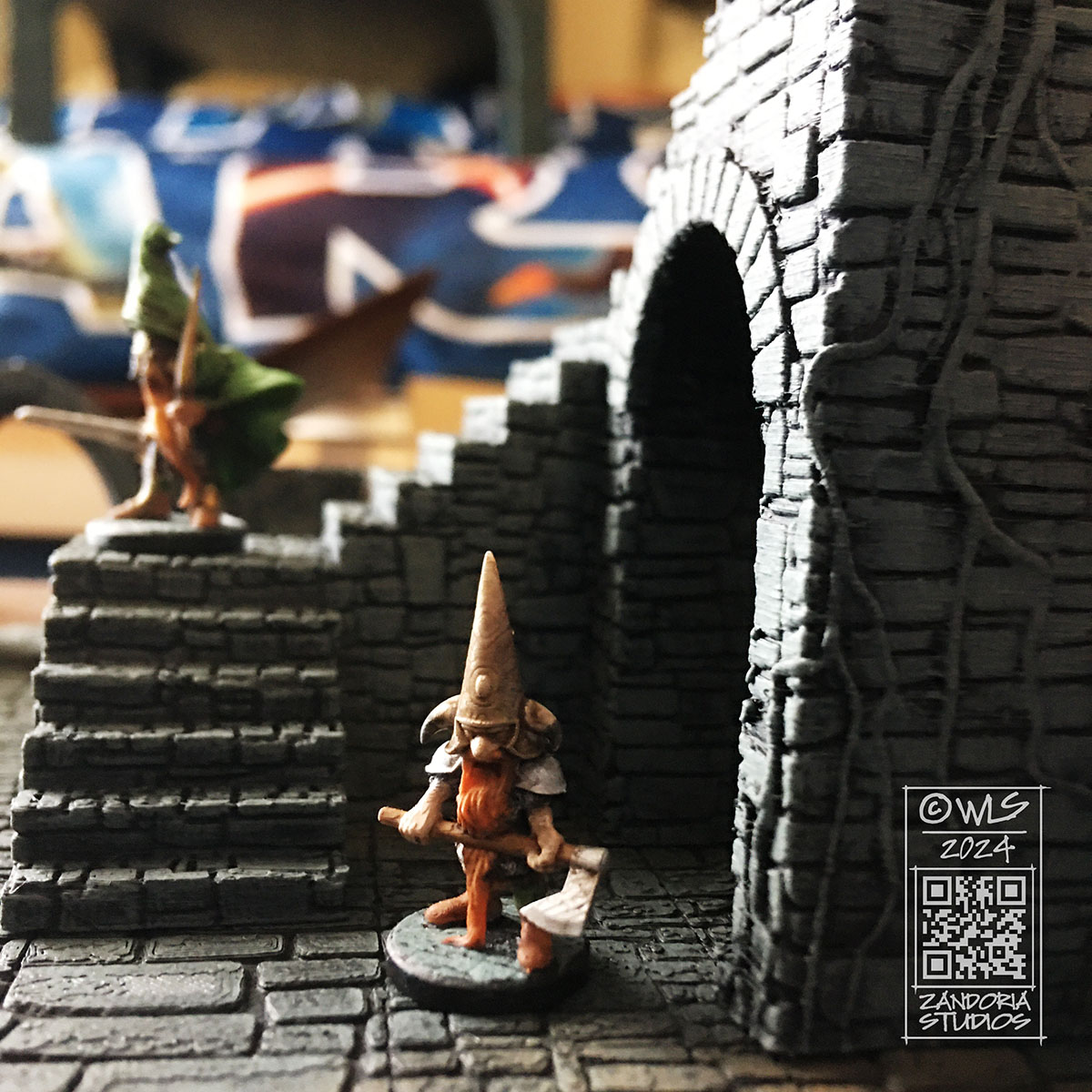
This party of gnome adventures is exploring the room, when behind them they hear the scrape of stone on stone…

The Dungeon Master says, “You turn and see a large mountain troll, with a stone axe”. As a player you may wonder what a mountain troll looks like, or how big it is relative to you; whether you should start running or draw your sword.

The DM says, “roll initiative” ominously, as he places the mountain troll mini onto the table. The players eyes go wide. They see it’s size. The immediate, visceral understanding of the threat is an “oh $#!%” moment.

Don’t just describe the threat. Make them feel it…

The moment you place that troll on the table, the game’s tension skyrockets. It is no longer an abstract concept; it’s a physical problem they need to solve. Miniatures are not mere game pieces, but are tools for creating sharper, more dramatic, and more memorable stories at your table.

These are all miniatures and terrain that I have sculpted, and are available in my shop

PuzzleLock Dungeon II

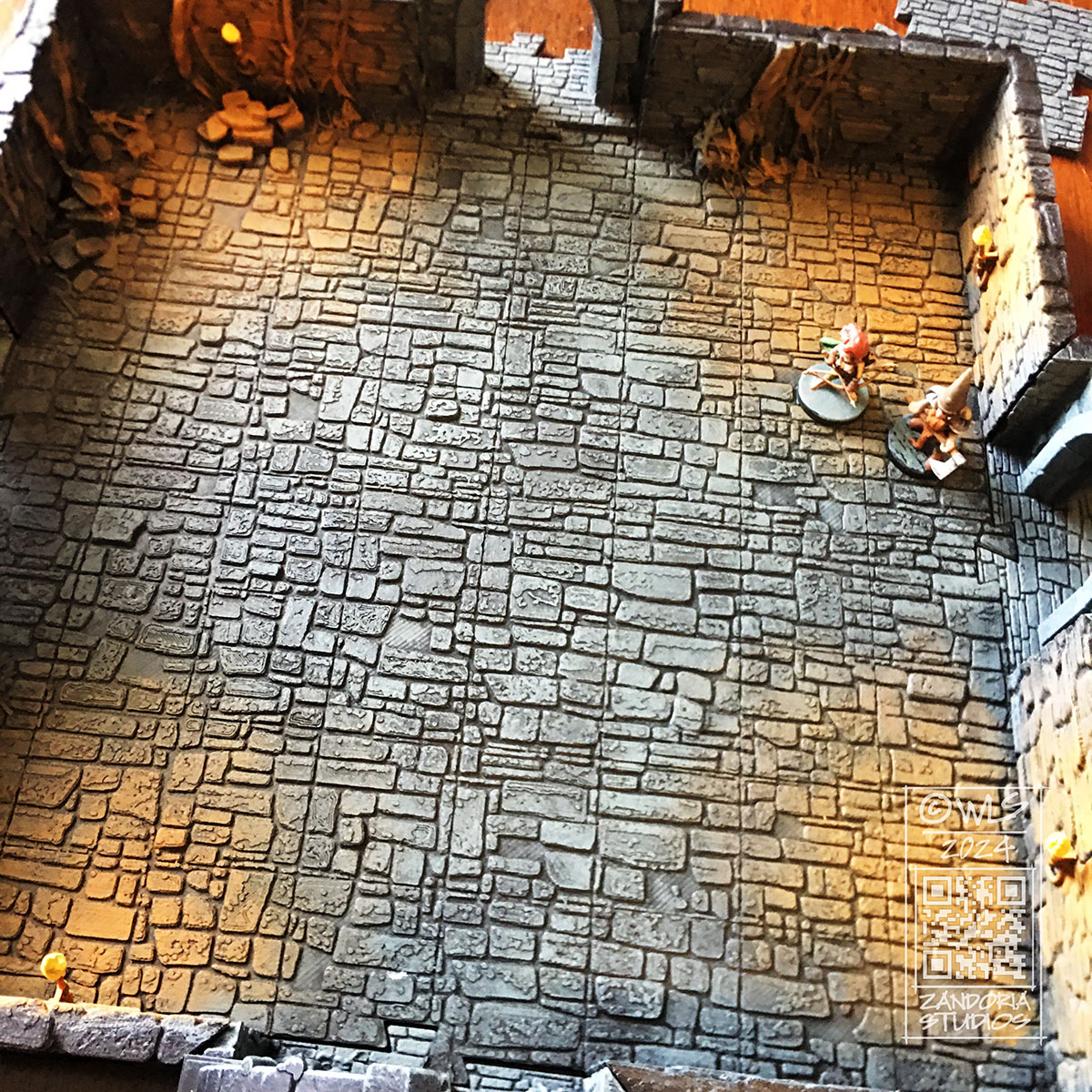
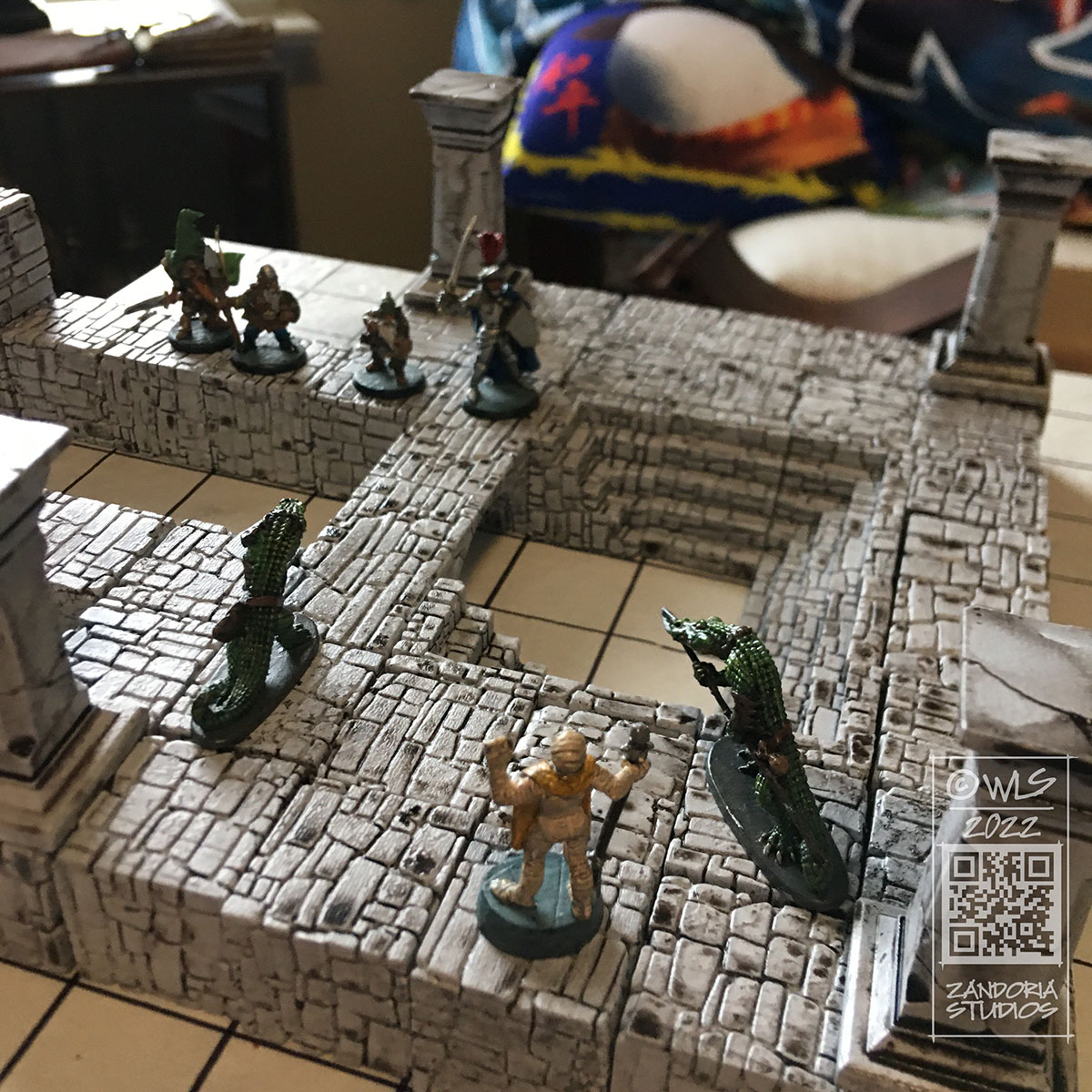
PuzzleLock Dungeon II is a 3Dprintable terrain system for tabletop RPGs like Dungeons and Dragons or Pathfinder. Bring your miniatures game to life with this immersive, detailed dungeon.

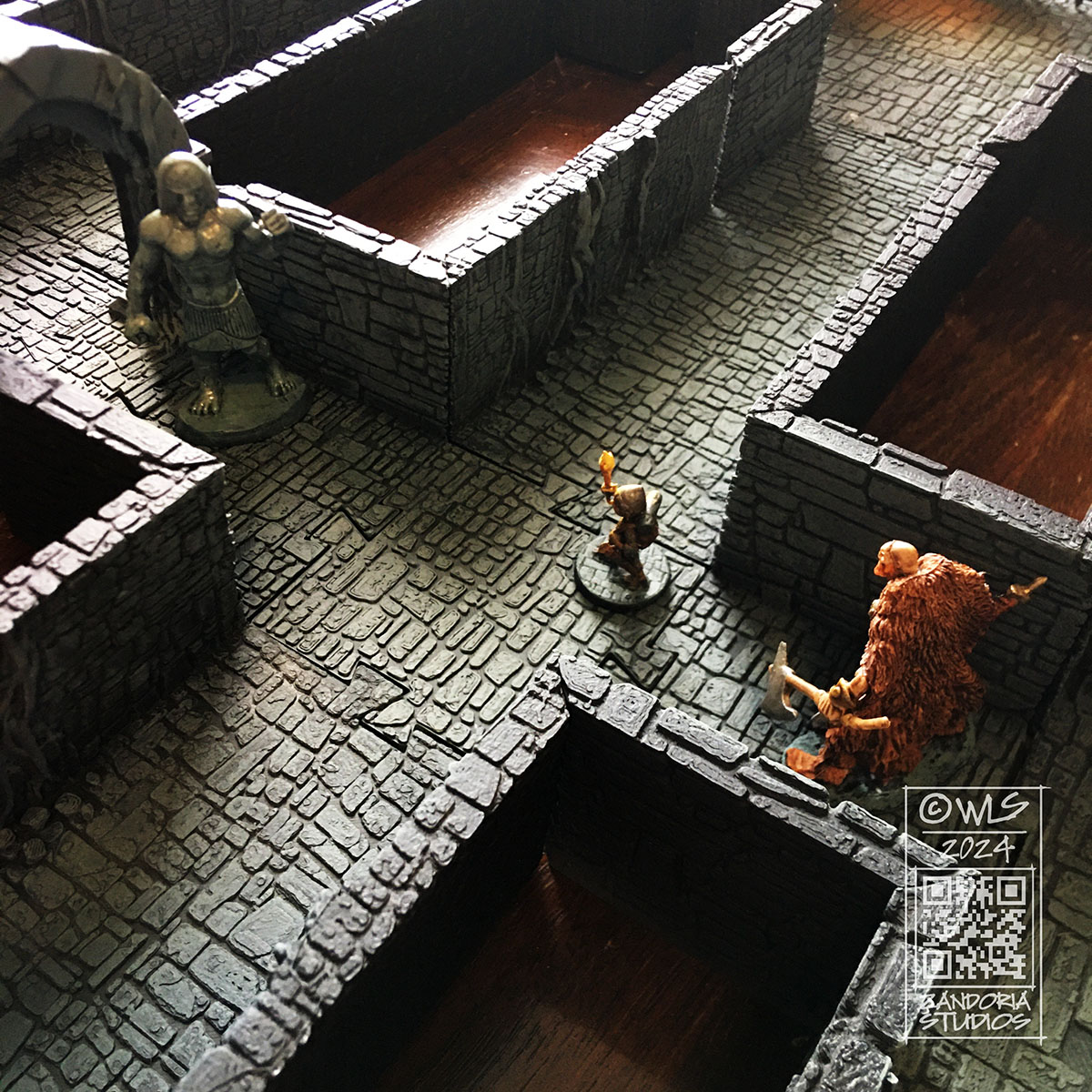
There are 47 unique STL files in this set. Not just tiles–print entire rooms and corridors! The innovative offset wall design gives you the full grid to play on. The walls are 32mm tall (overall 35mm), so they will not obscure the miniatures. The pieces connect with my original PuzzleLock. No clips, no magnets, they connect like a jigsaw puzzle!

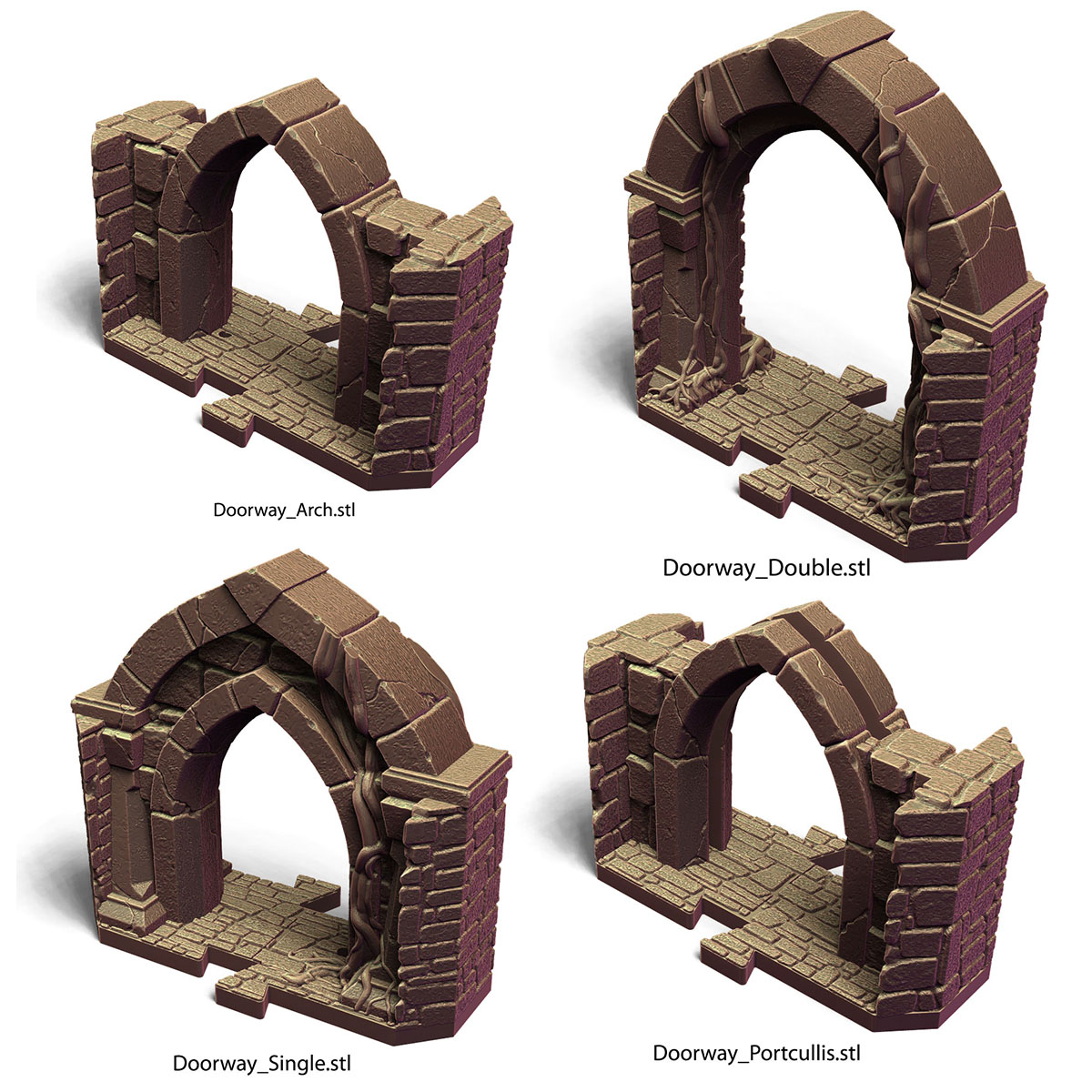
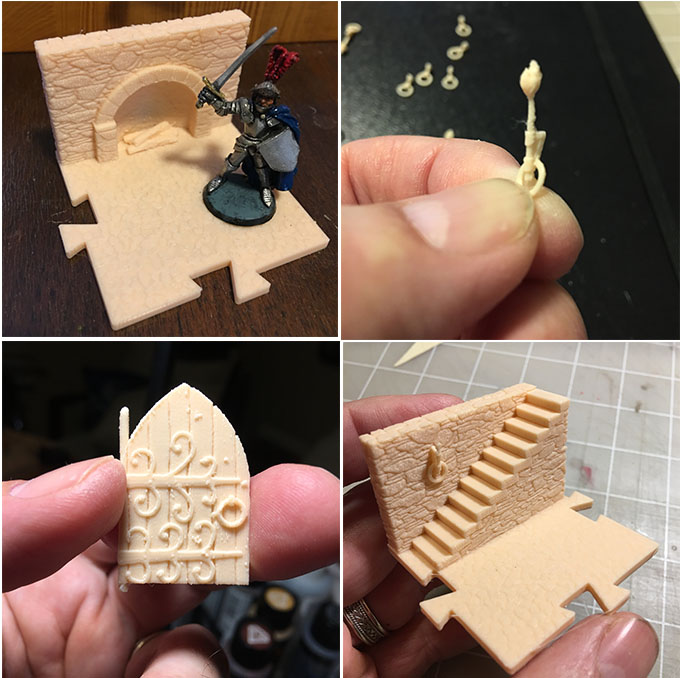
The doorways feature working doors! There is a pin edge to the doors, with corresponding holes in the doorways.

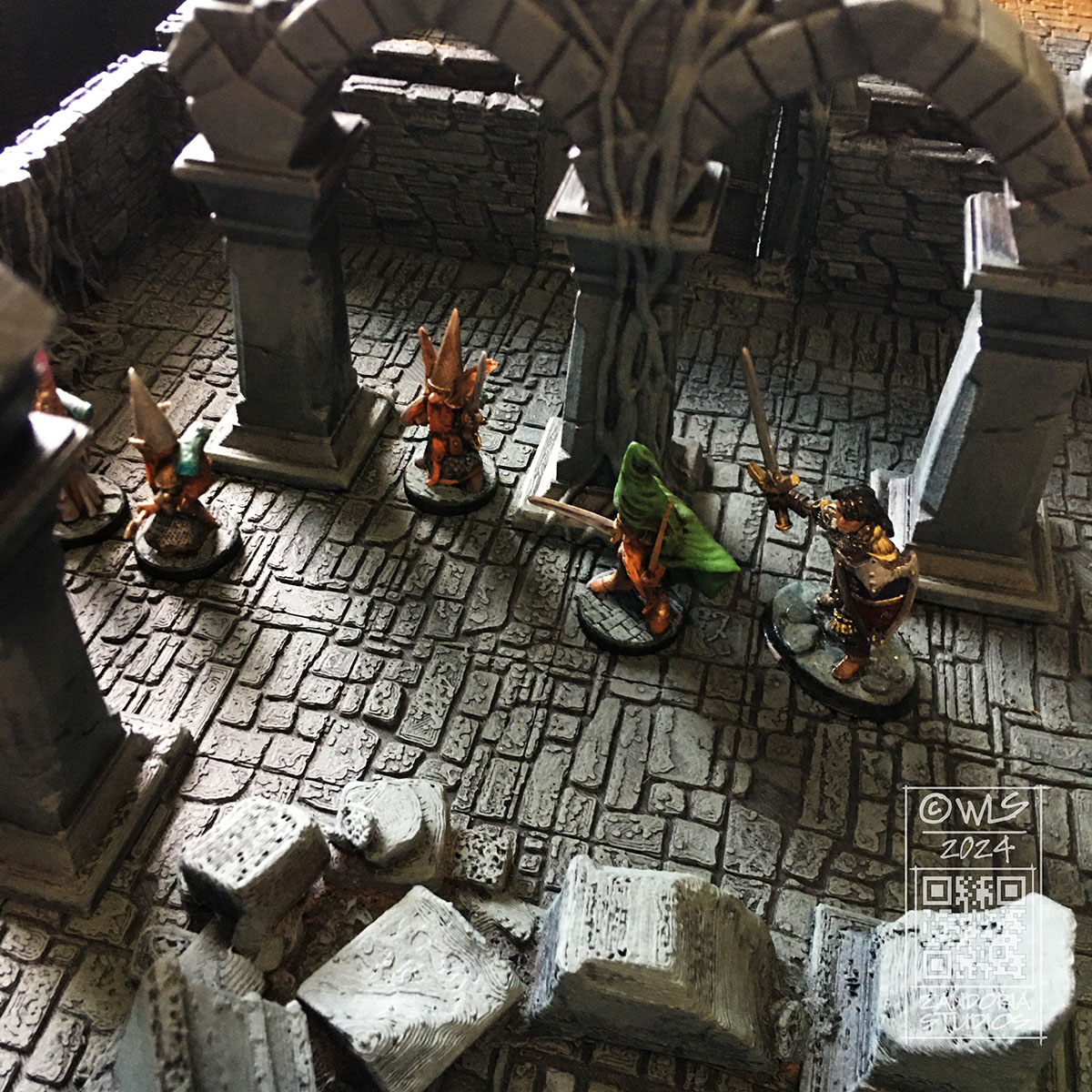
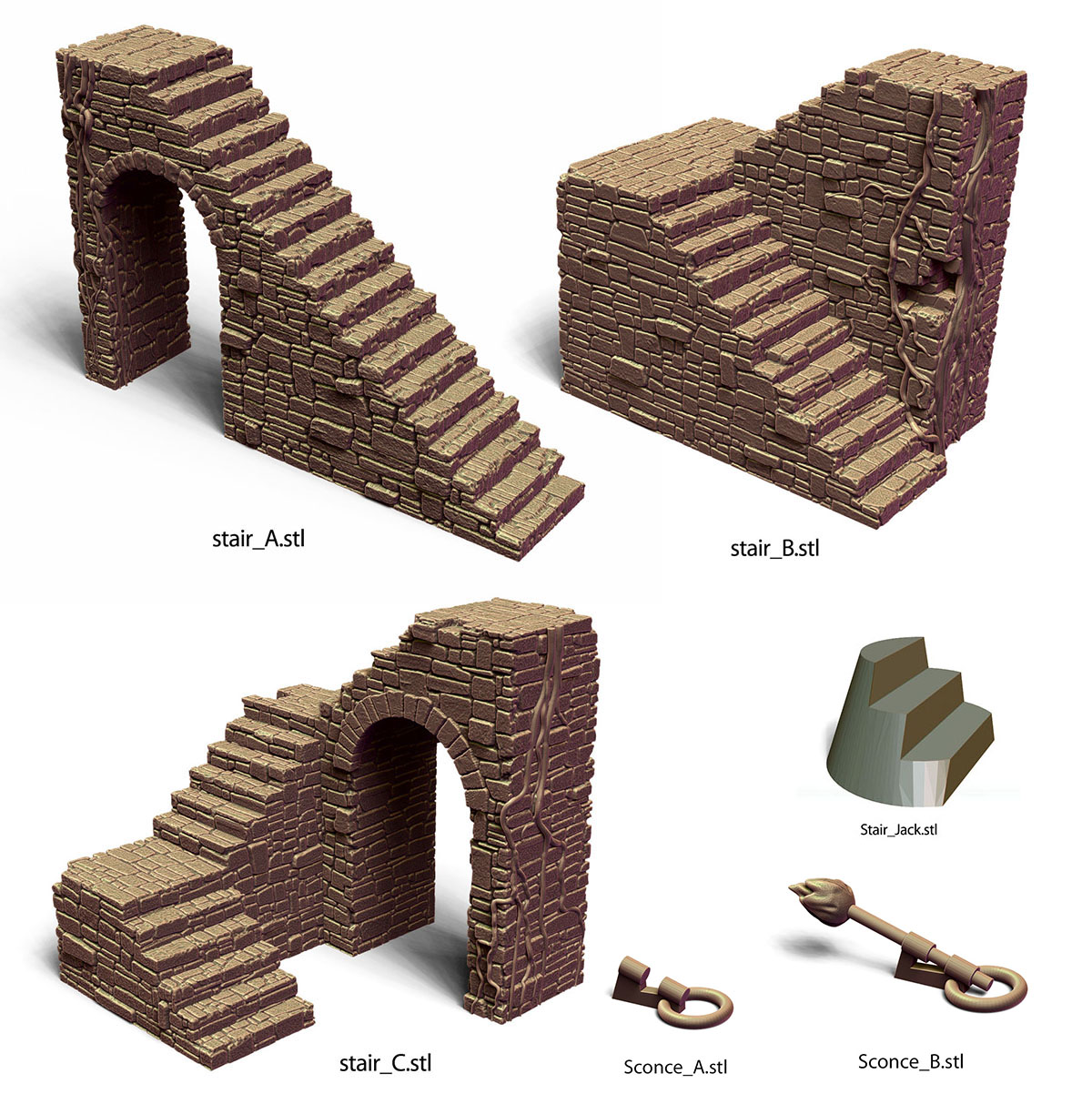
Pillars, stairways and rubble are scatter terrain. Place them directly on top of the tiles to create unique rooms.

There are also many tiles to let you build any room that your dungeon may require.

The entire PuzzleLock Dungeon II set of STL files is exclusively available on Cults3D for only $10.

If you have just discovered PuzzleLock, you might also like to check out PuzzleLock Caves and PuzzleLock Sewers & Undercity!

Dungeon Blocks!

They stack just like children’s blocks, and are hours of fun! You can even play D&D!

The idea for this is pretty simple. Building blocks for tabletop terrain, with stone textures on all sides. Since most Dungeon Masters don’t build elaborate terrain for their games, I wanted to create something better than just marking out the terrain with a dry erase marker, but not as complicated or expensive as buying Dwarven Forge tiles. The DMs that I know either use only theater-of-the-mind or will use minis only for a tactical combat.

dungeon blocks

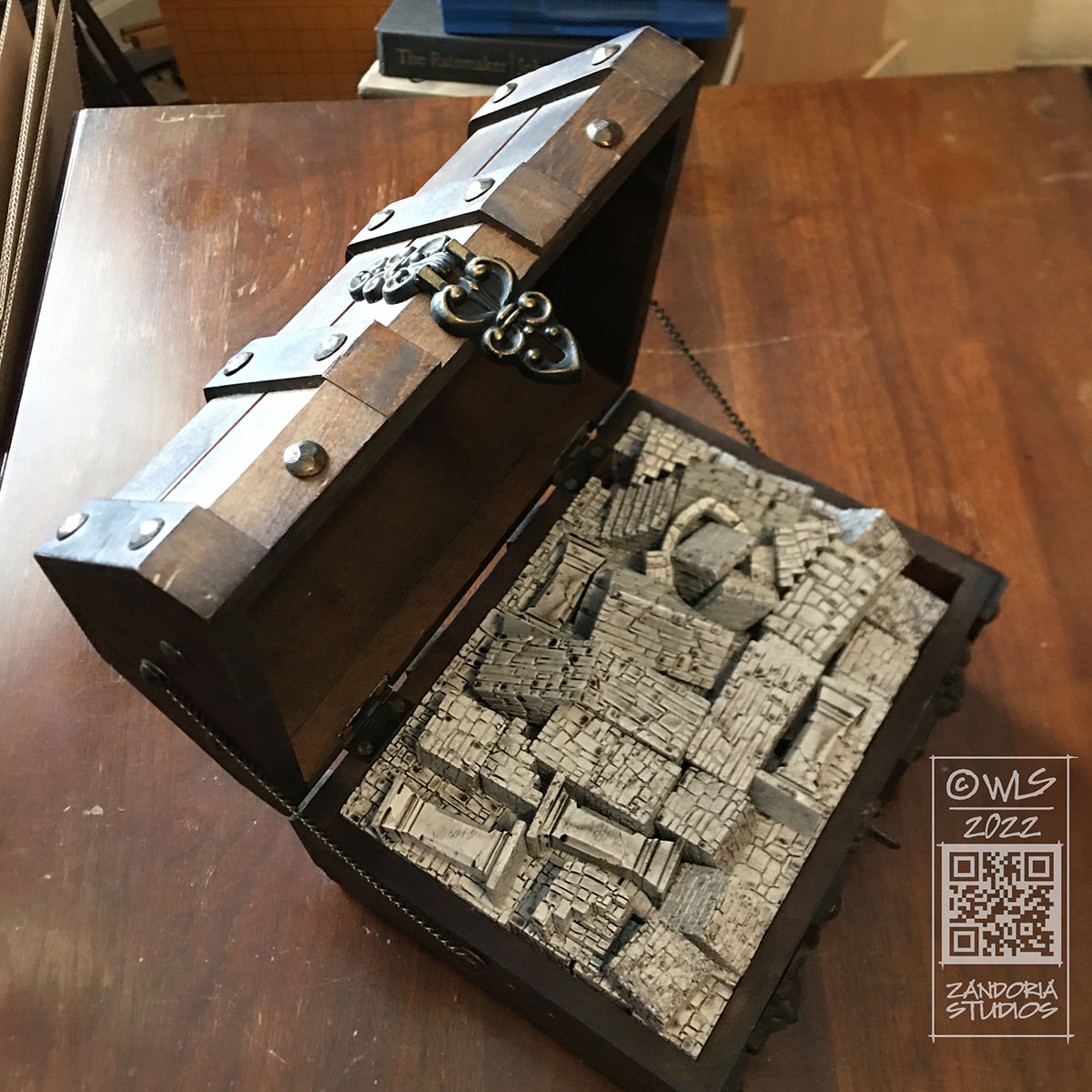
Another question that I’ve heard from people interested in using terrain is,”how do you store it?” Huge sets of interlocking tiles can be bulky and difficult to transport–I wanted to make a Dungeon in a box. You can fit all of your Dungeon Blocks in a small box (or treasure chest) that is easy to bring to the game!

There are only 10 basic pieces. All 3Dprintable, so that you can make as many as you want. They are all based on a 1″ grid, so they are perfect for Dungeons & Dragons or any other tabletop RPG.

The “Stair Jack” is a small platform for miniatures, which fits the tread pattern of the steps. It will let you place a mini anywhere on the stairs.

The Stair Jack is a platform for miniatures to place anywhere on the stairs!

The STL files are available for purchase at DriveThruRPG or Cults3D

PuzzleLock Playsets

IMG_4738

In February, I debuted the PuzzleLock Caves and PuzzleLock Dungeon at Con Nooga in Chattanooga. The response was very good, so tomorrow we are launching a Kickstarter to fund the creation of more PuzzleLock playsets!

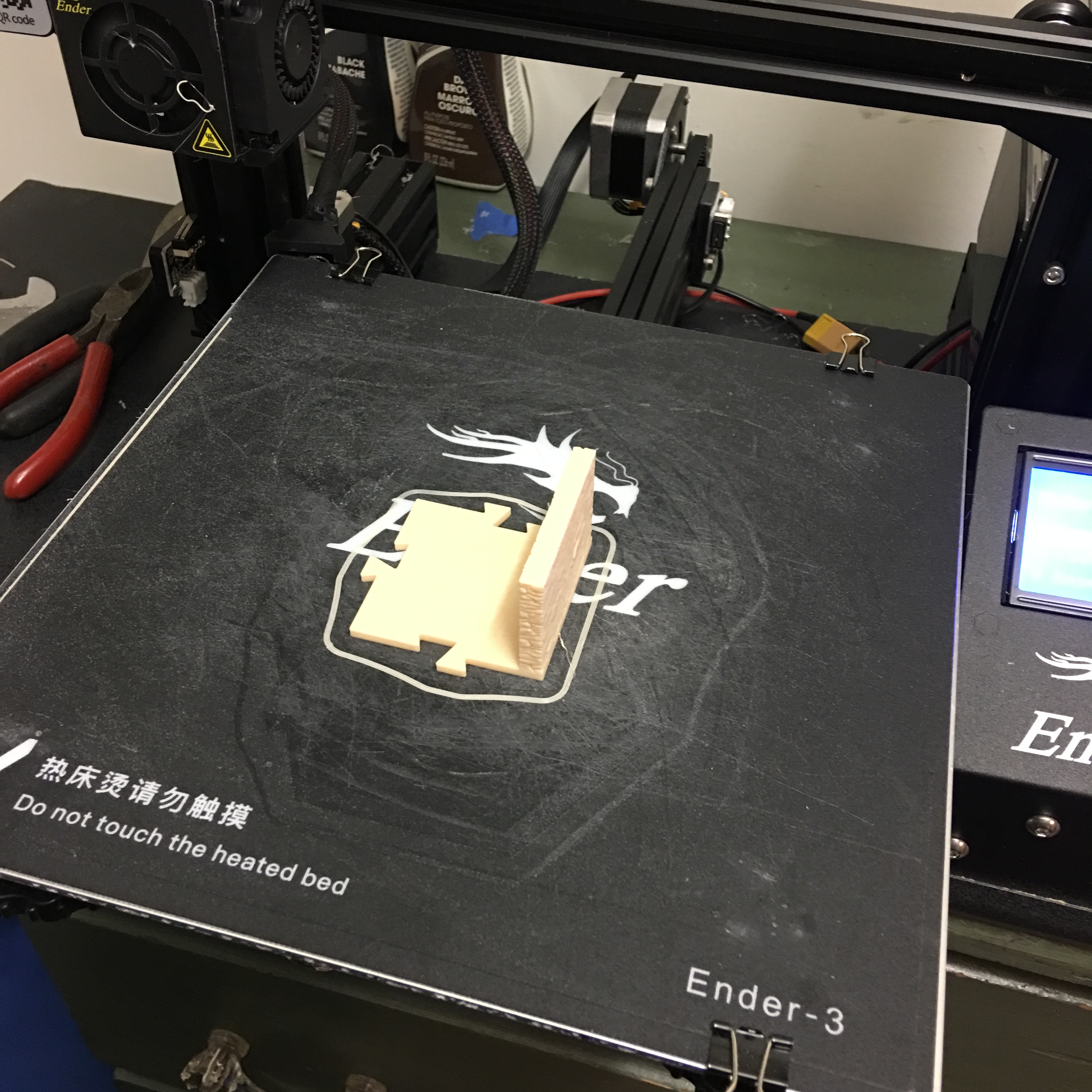
These playsets are 28mm scale terrain for tabletop role-playing games like Dungeons & Dragons. They help create an immersive gaming experience. They are printed on a $200 home 3D printer, and I printed the entire dungeon on a $20 roll of filament!

Unlike other systems, PuzzleLock doesn’t require any clips or magnets. It goes together like a jigsaw puzzle!

Caves_promo2
Untitled-2
Untitled-5

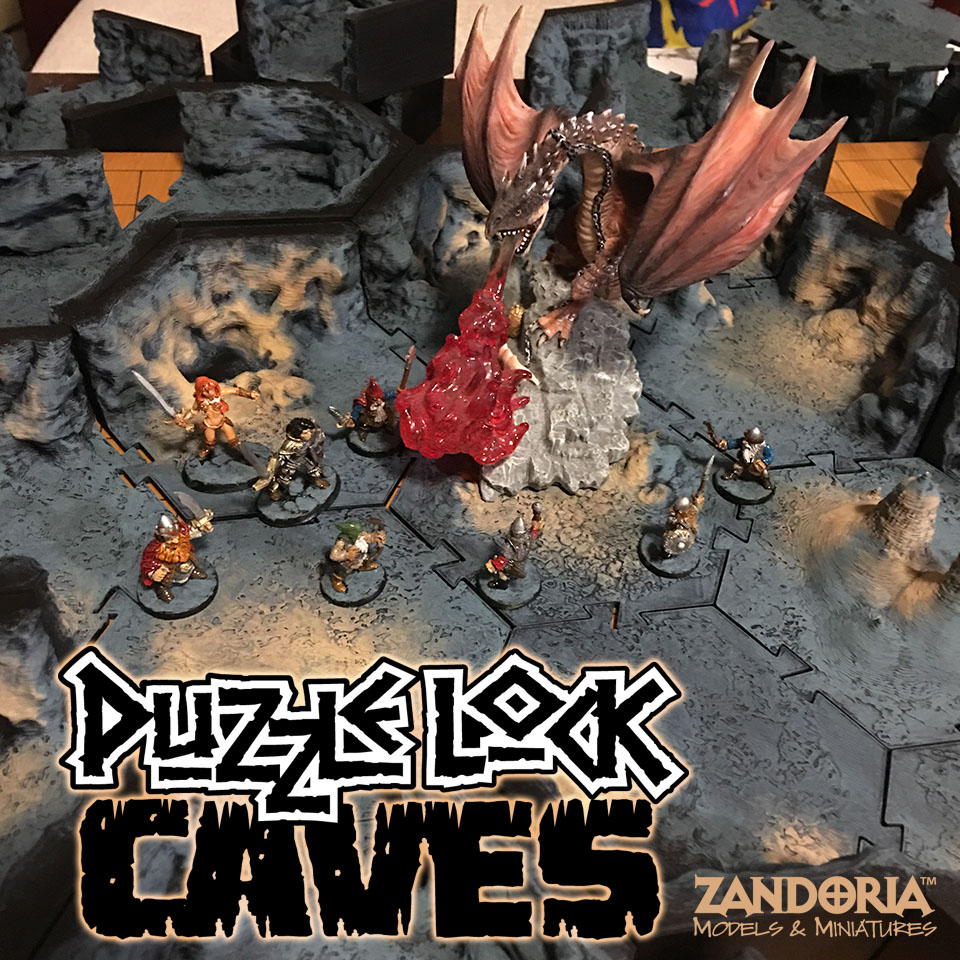
The Caves are 100mm point to point and about 35mm tall. The sides of the hexagons are 50.8mm (2″) and can connect to any other PuzzleLock playset.

The PuzzleLock Caves are available NOW at Cults3D:
https://cults3d.com/en/3d-model/game/puzzlelock-caves

Dungeon_promo2
Untitled-3
The Dungeon set includes a “stair jack” for placing minis on the steps, and also a couple of “grid-painting” jigs for gamers who prefer a 1″ grid on their tiles.
Untitled-4
Untitled-6

The dungeon tiles are 50.8mm ( 2″) square, and about 35mm tall. They work with all other PuzzleLock Tiles.

Dungeons are available NOW
on Cults3D:
https://cults3d.com/en/3d-model/game/puzzlelock-dungeon

All of the PuzzleLock playsets are delivered as .STL files, which are 3D models that can be printed on a home 3D Printer.

IMG_4469

The Kickstarter was 857% funded! Stretchgoals for Traps & Secret Doors and Sewers & Undercity were unlocked and will be available on Cults3D after they are sent to backers.

Caves of Chaos

KeepontheBorlderlands
Artwork from “The Keep on the Borderlands” by TSR Games

When I first played Dungeons & Dragons as a teenager,  the first adventure was the Keep on the Borderlands. The monsters were in an area of the map called The Caves of Chaos! I have a lot of great memories of those years, so when I started thinking about designing some 3D printable terrain for table-top gaming I naturally started think of those caves….

There are a number of kickstarted companies that are selling .STL files for 3D printing. I realized when I started checking them out, that the gaming community has eagerly adopted this technology, and there might be an opportunity for me in this area.

Before 3D printing, a company called Dwarven Forge was already making a very high-quality hand-sculpted and hand-cast resin terrain for gaming, but it is very expensive. What I noticed right away about the designs from these newer companies is that they were basically copying the designs of Dwarven Forge– The tiles were all 2″ squares, about a half inch thick, in all sorts of configurations to help you layout your dungeon.

However 3D printed PLA plastic is a lot lighter than Dwarvenite resin… So the 3D printed pieces have to be clipped or glued together so they don’t get scattered all over the table. I felt that the designers had failed to approach the problem from scratch with the strengths of 3D printing in mind. On top of that, the Caverns and caves were all rectangular and ugly….

I decided that I would start from scratch. One of the strengths of 3D printing is the ability to create complicated shapes that would be difficult or impossible to create through traditional manufacturing.  I wanted to build complete pieces that were ready to paint and play, with no assembly.  Instead of squares, I started with a hexagon and began to calculate the number of possible passageways that could come in and out of a 6-sided tile.

Photo Jan 27, 10 00 26 AM

The biggest tile that I can print on my Printrbot is 6″, though that is pretty small compared to a lot of FDM printers, which would be big enough to not get knocked over during play. Since it doesn’t have to attach to the other tiles for stability, That gives you the freedom to rotate the tiles and quickly reconfigure the game map.  Because the 3D print is starting from the ground, and there is no need for the additional structure to clip tiles together, I decided to make the floor 1/8″ thick–thick enough to be sturdy, but not wasting plastic.

I kept the 2″ standard for the openings of the passages, and the 2″ overall height (taller than that interferes with visibility of the miniatures).

My wife and I visited Cumberland Caverns in McMinnville Tennessee, which is the largest cave complex in our state, for some inspiration.

Once I was back home in the studio, I opened ZBrush and created a template for the tiles, ensuring that I could make all of the tiles mate up perfectly when printed.

Caves030

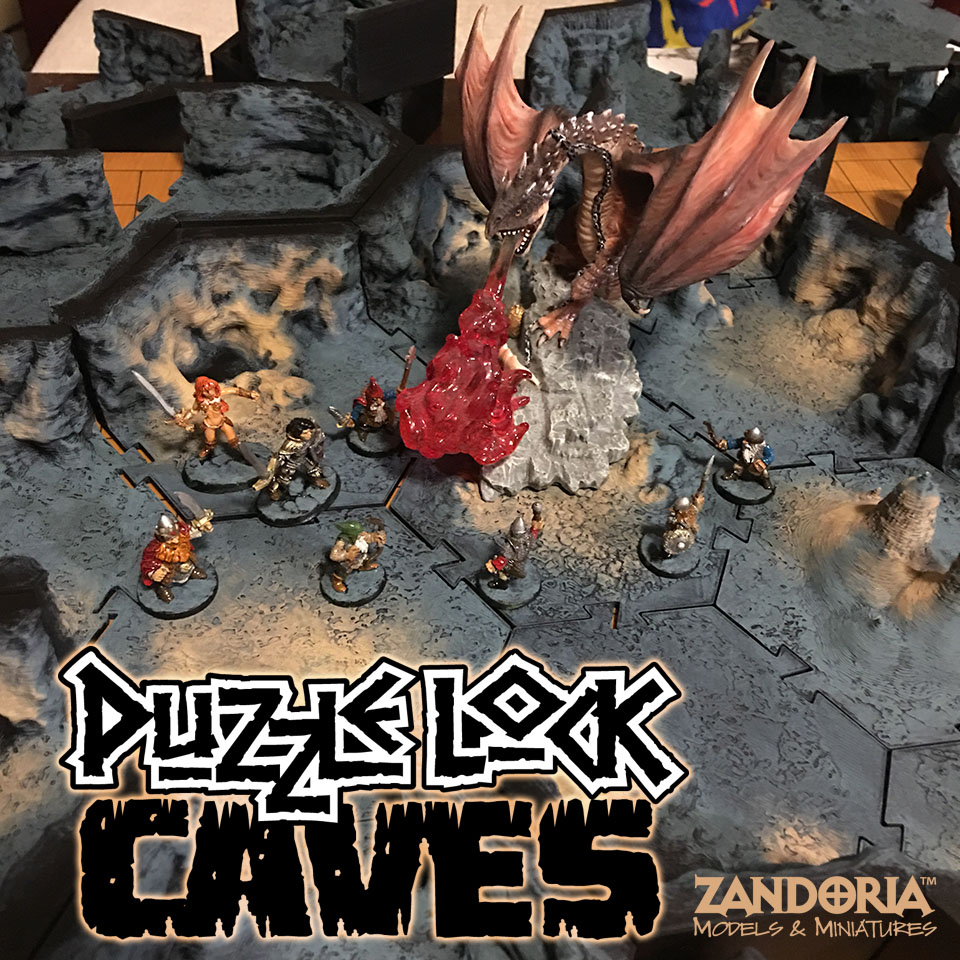
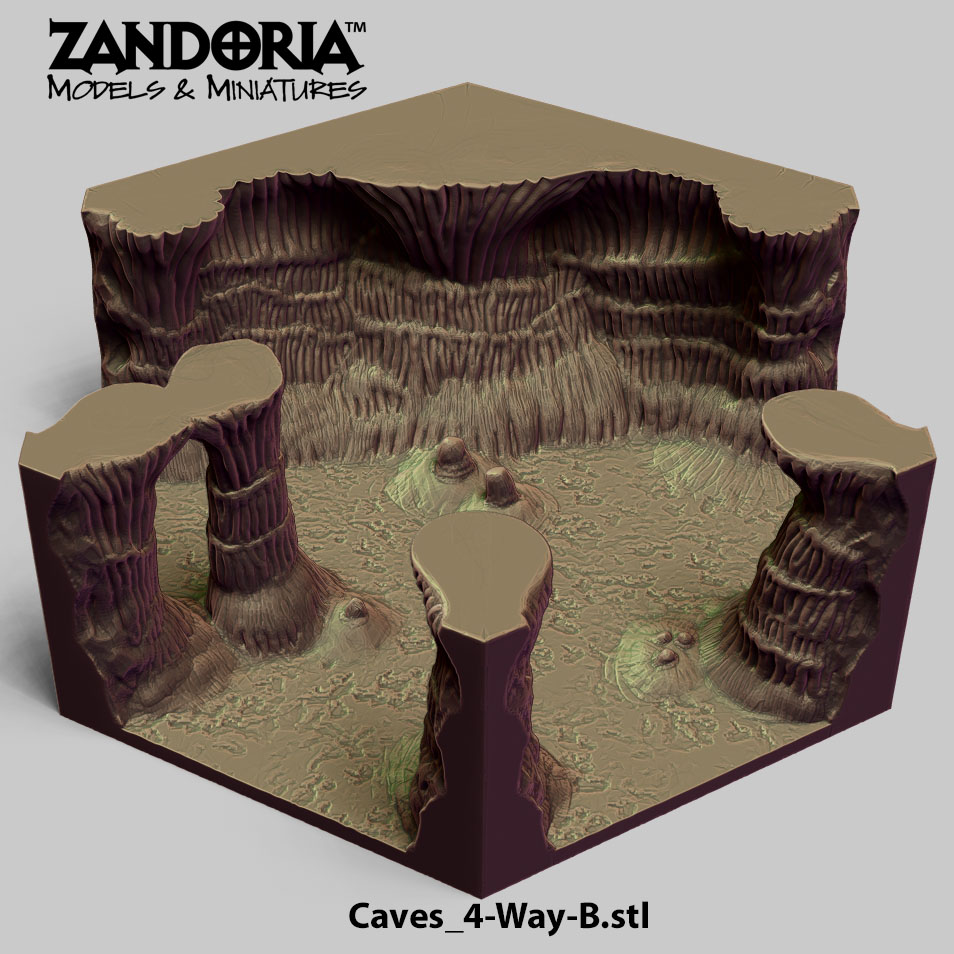
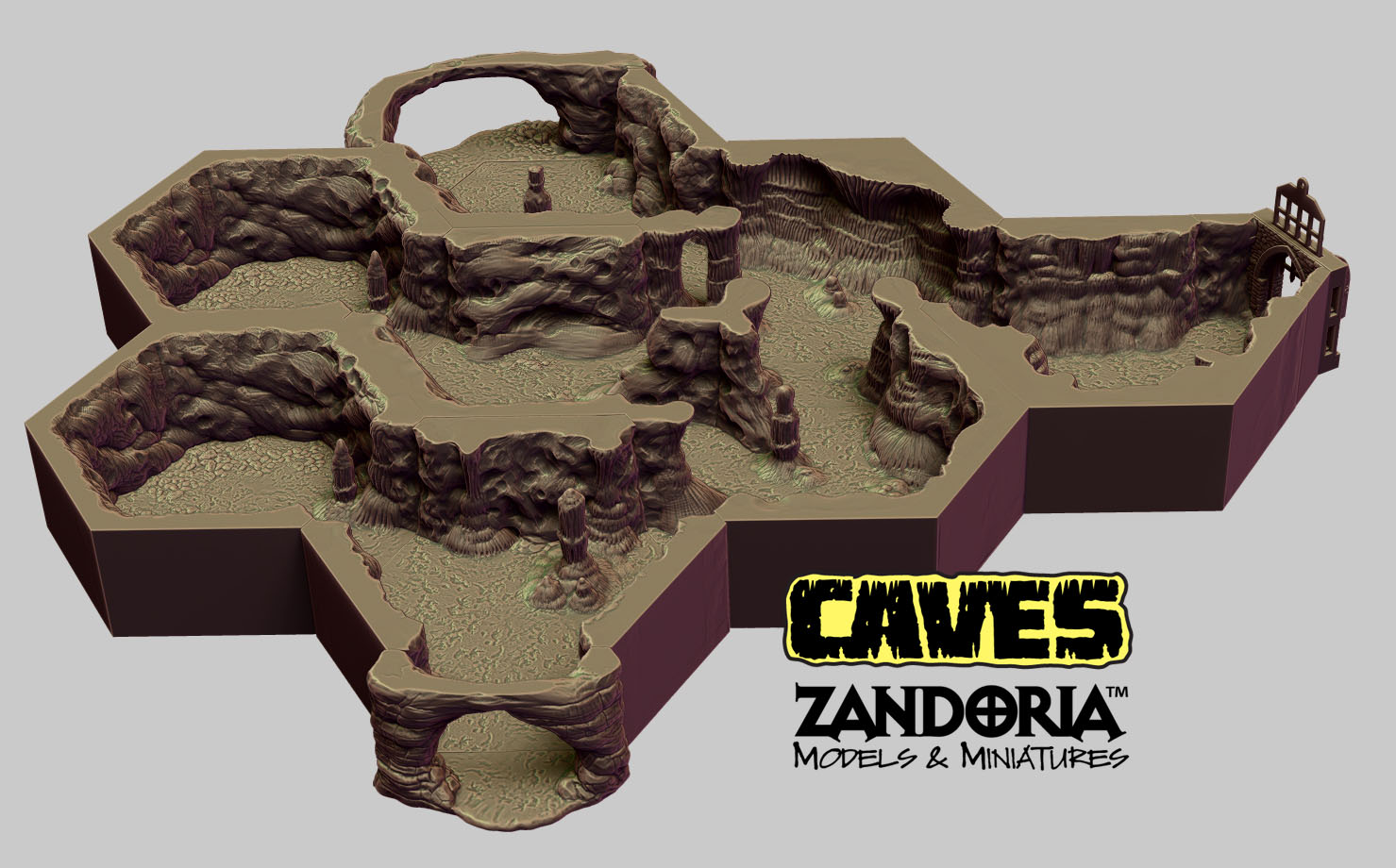
I ended up creating 22 Hex tiles, which could create and endless cavern across the tabletop. The tiles print with no support, and require no assembly.

Caves_set

Here is just a quick sample of the types of cavern layouts you can create:

Once I had the pieces sculpted, I decimated the models to create a high-resolution polygon mesh, and exported the .STL files.

Caves032

Edit: I have gone back an added some Cave Entrances as well as Hex rings with OpenLOCK and Magnetic connection (because people kept asking for it), and an OpenLOCK compatible dungeon entrance so that you can connect these Caves to the rest of your dungeon:

Caves_Entrance_C4

Caves_Entrances_3

If you are a gamer, and would like to print your own endless caverns and caves, you can get the set of .STL files here:

On MyMiniFactory:
https://www.myminifactory.com/object/3d-print-caves-77276

On Cults3D:
https://cults3d.com/en/3d-model/game/caves

On DriveThruRPG:
https://www.drivethrurpg.com/product/232472/Caves

On RenderHub:
https://www.renderhub.com/zandoria/caves